
1. Cybersecurity Roles: Opportunities as Cybersecurity Analyst, Security Analyst, Ethical Hacker, and Information Security Specialist.
2. Network & System Security: Roles such as Network Security Engineer, System Security Administrator, and Security Operations Center (SOC) Analyst.
3. Corporate Career Opportunities: Employment in IT companies, financial institutions, e-commerce firms, and cybersecurity organizations.
4. Government Sector: Opportunities in defence, intelligence agencies, and government departments dealing with cyber security and digital forensics.
5. Emerging Domains: Scope in areas like Digital Forensics, Cloud Security, Application Security, and Threat Intelligence.
6. Higher Education & Certifications: Options to pursue M.Sc Cyber Security, MCA, or global certifications like CEH, CISSP, and CompTIA Security+.
7. Global Career Scope: High demand worldwide with opportunities in multinational companies and remote cybersecurity roles.
8. Entrepreneurship & Consulting: Scope to start cybersecurity consulting services, auditing firms, or freelance security testing.

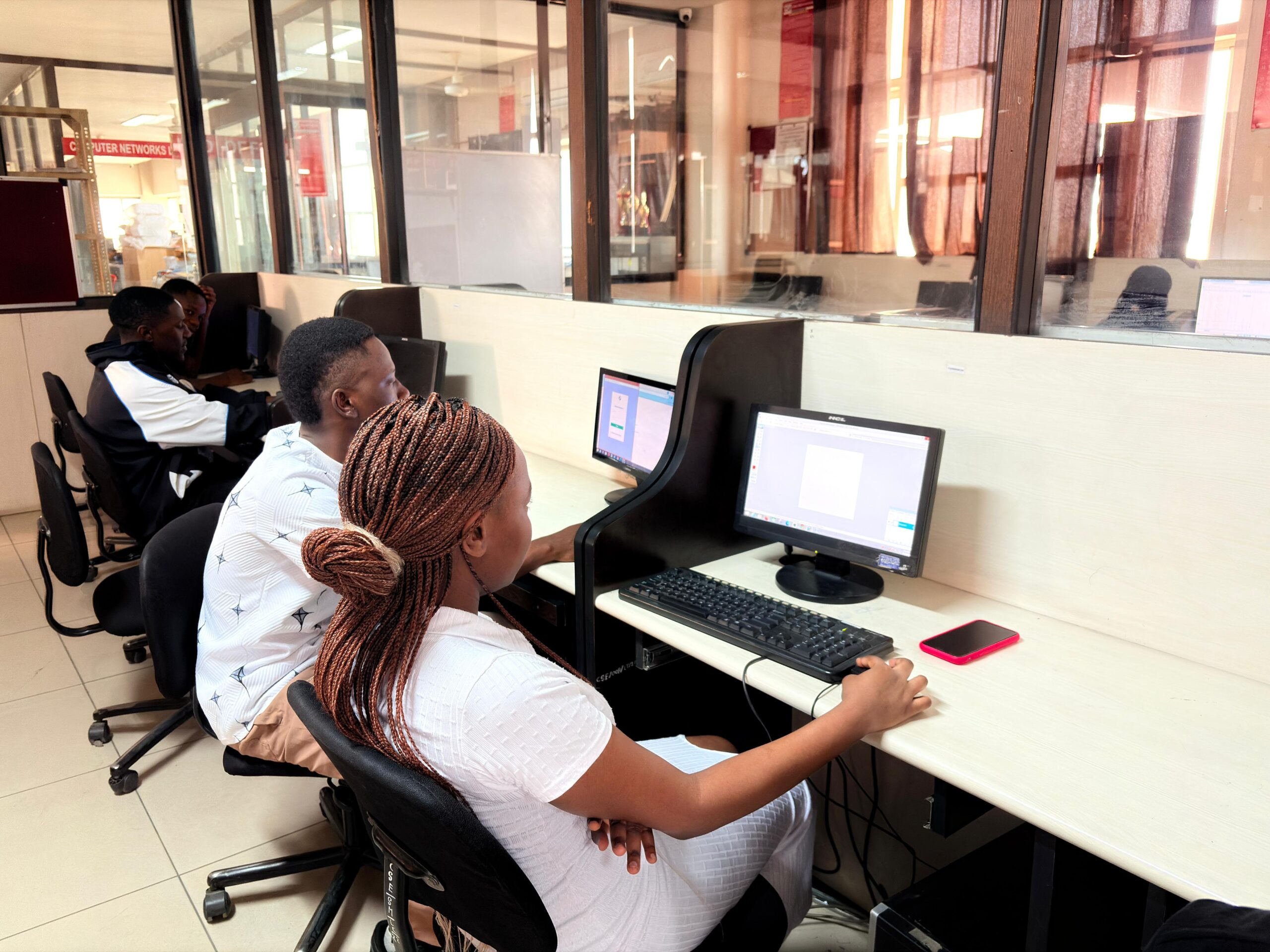
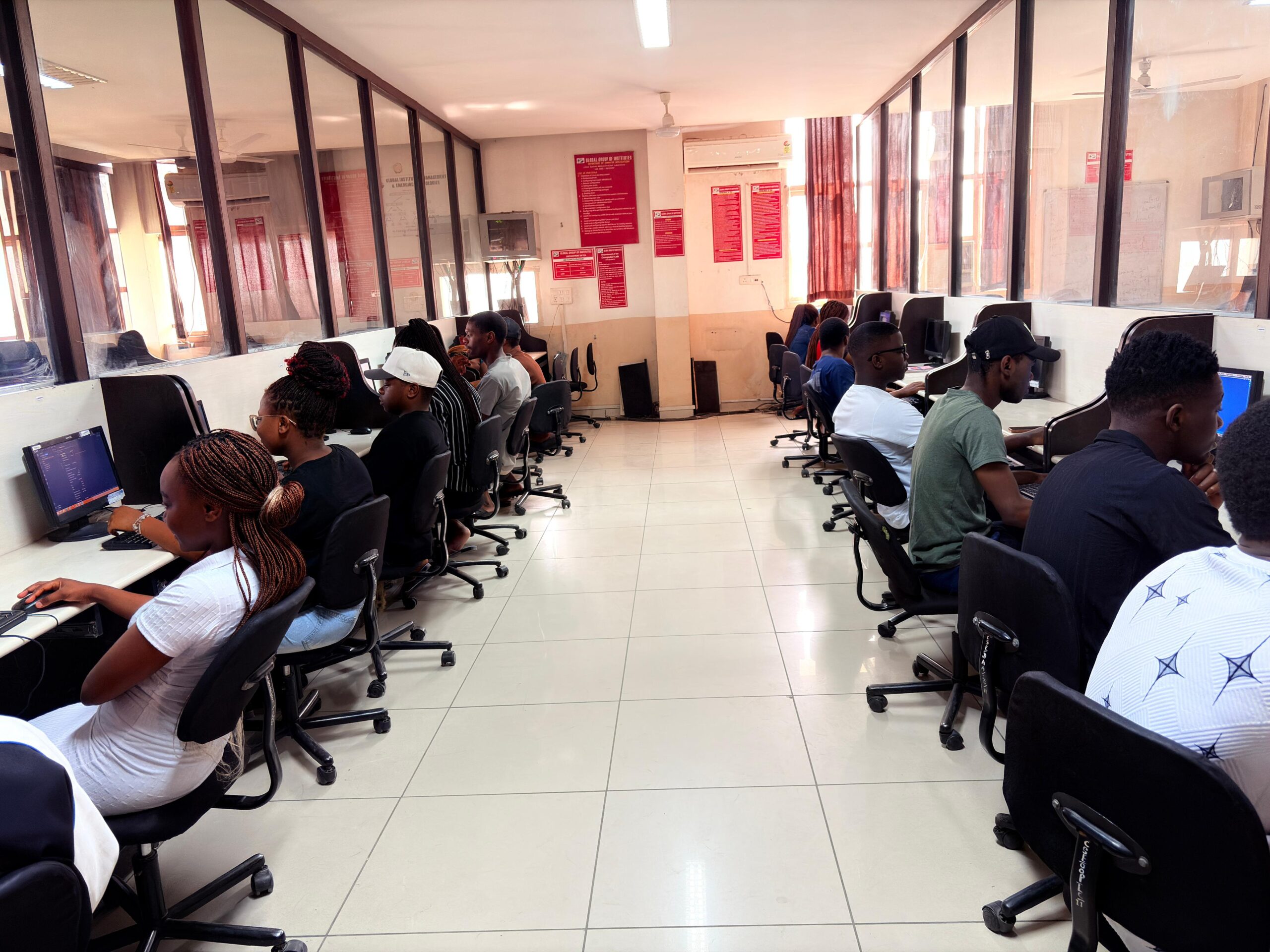
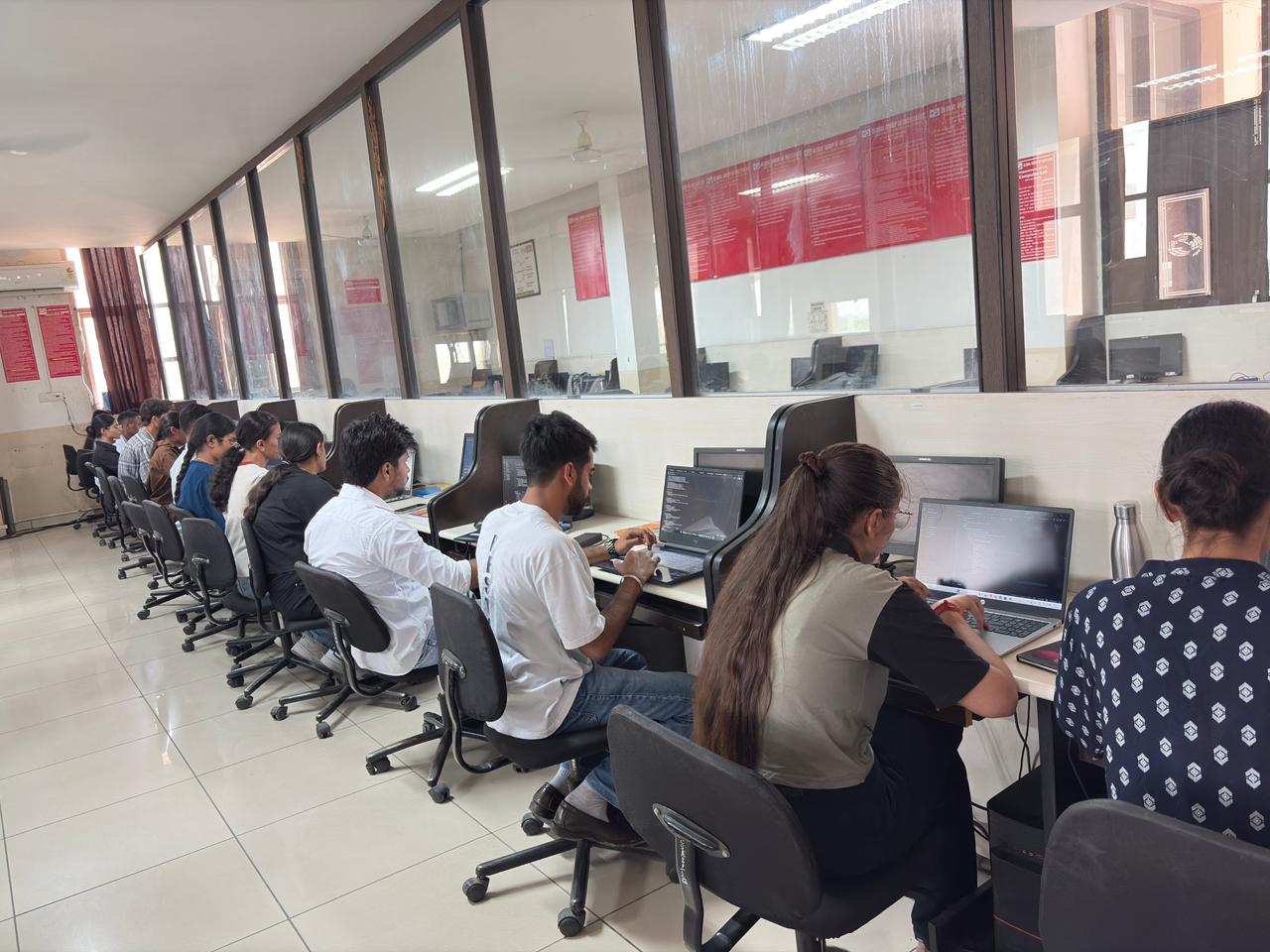

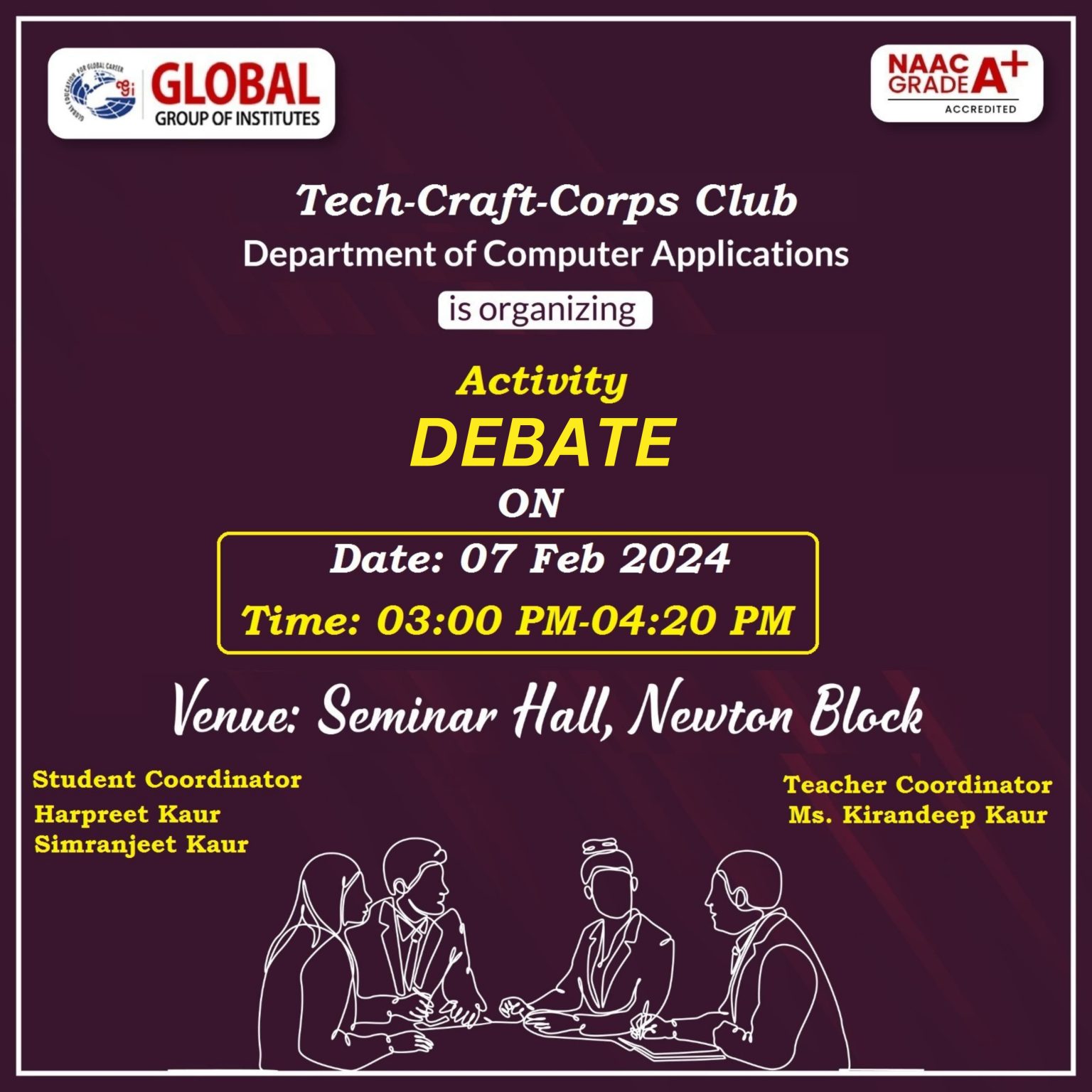
Tech craft crops club of the department of Computer Applications Organised “Debate”
Tech craft crops club of the department of Computer Applications Organised “Debate” on 07 -02-2024 for students of BCA and MCA , the main aim of the activity is to promote problem solving and innovative thinking , and help students to build link between words
Read More »
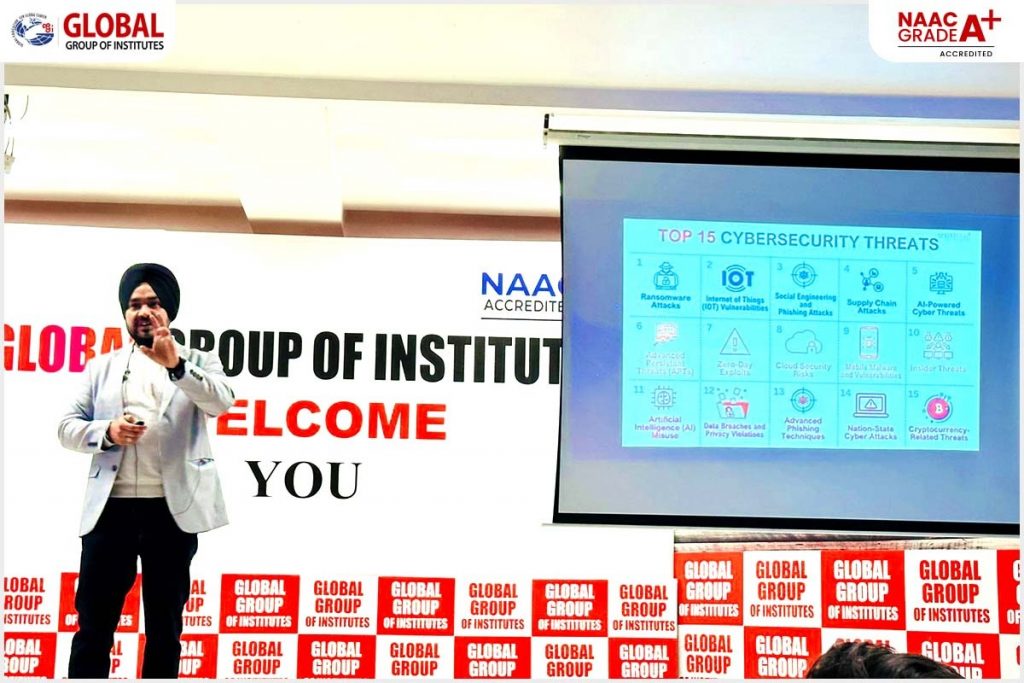
Tech Craft Corps Club of Department of Computer Applications organized a workshop on “ Cyber Security Career Roadmap
Mr. Jatinderpal Singh, the Cyber Security Lead at H & M Group Business, Bengaluru with an experience of more than 12 years as Cyber Security professional, was the Guest Speaker for the workshop. Mr. Singh covered a wide range of topics. He discussed the threat
Read More »

Tech Craft Crops Club of Department of Computer Applications Organized “Decode The Grid”
Tech Craft Crops Club of Department of Computer Applications Organized “Decode The Grid” activity for the students of BCA and MCA. The aim of the Activity is to enhance the problem-solving skills, teamwork, and quick thinking abilities of the students through a fun and engaging
Read More »

Tech Craft Corps Club of Department of Computer Applications organized “Click the Ikon” activity on 31-01-2023 for the students of MCA and BCA to assess their knowledge and presence of mind on the displayed logos and pictures of well known personalities”
Logos of Companies, Businesses and Careers were displayed that were to be guessed by the participants. Students participated in teams and each team consisted of two students. There were two rounds in the activity. In the first round, teams had to guess the displayed ikon
Read More »

Tech Crafts Crops Club of Department of Computer Applications organised “Swift Thinking-Quick Responding
Tech Crafts Crops Club of Department of Computer Applications organised “Swift Thinking-Quick Responding “ activity on 24-01-2024 for students of MCA and BCA, The main aim of the activity is to enable the participants to increase their ability of spontaneous speech without any preparation, which
Read More »
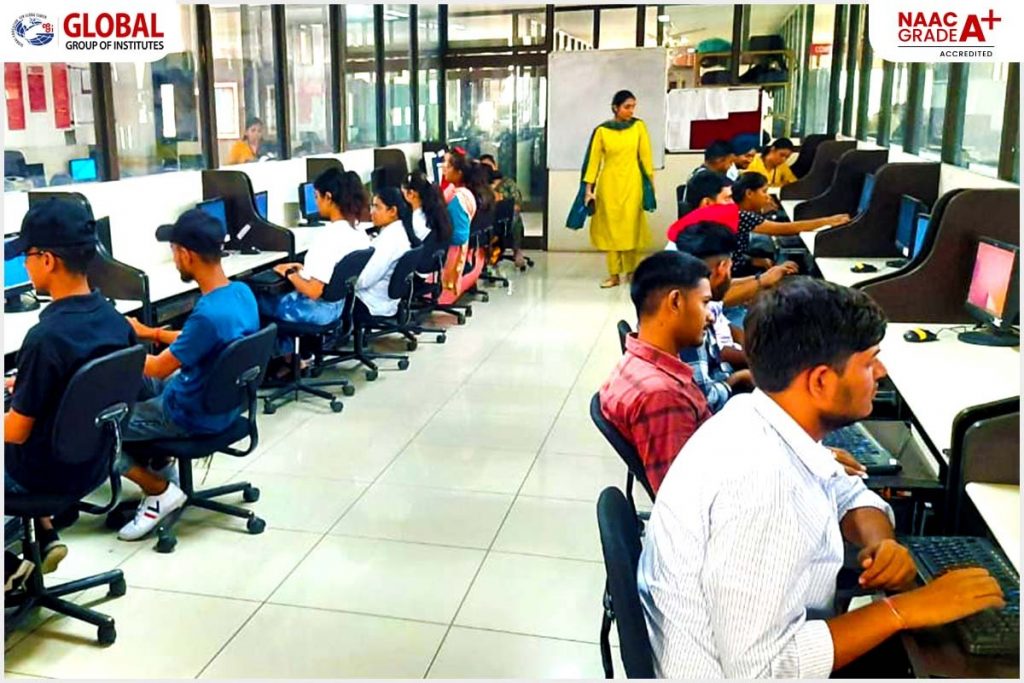
TECH CRAFT CORPS CLUB of Computer Applications Department organized an Activity of “THE CODEWAR”
THE CODEWAR is a creative activity which is designed to teach students computational thinking and the basics of computer programming. The main objective of this activity is to enhance the programming skills of the students. In this activity: •Students were given programs spontaneously. •It was
Read More »

Tech Craft Crops Club of Department of Computer Applications organized an industrial visit to Hoping Minds
Tech Craft Crops Club of Department of Computer Applications organized an industrial visit to Hoping Minds Mohali on 22-04-2023. Students of MCA and BCA under the supervision of Ms Aanchal Maadan (Faculty of CA), Ms Pritika Talwar (Faculty of CA) and Mr Parvinder Singh (Civil
Read More »
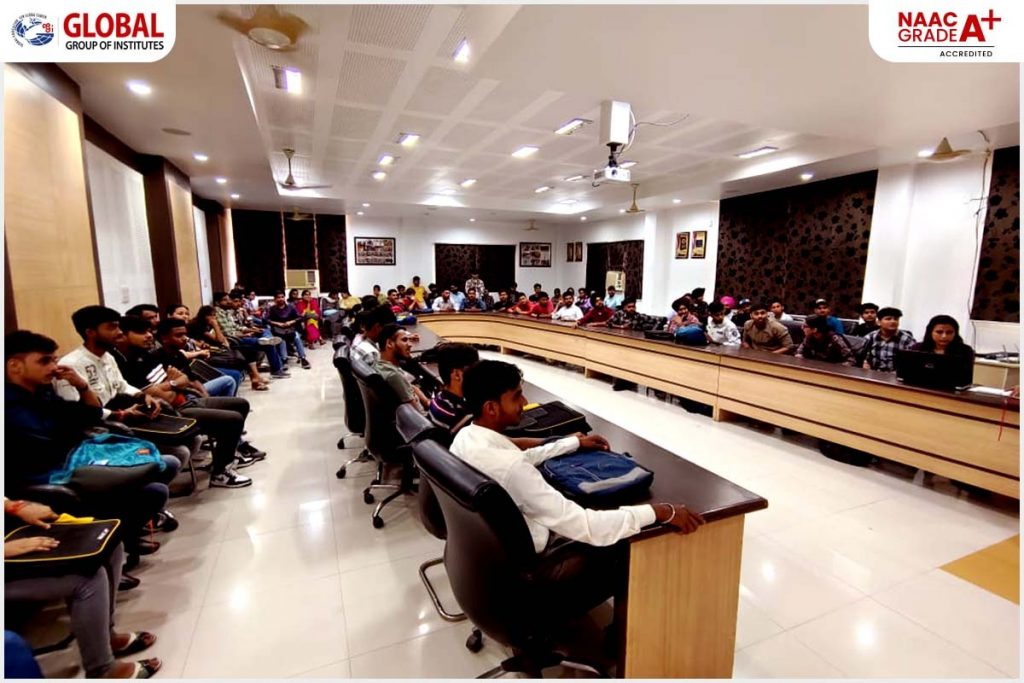
Tech Craft Corps Club of Department of Computer Applications organized “Tech Intellect Quiz
Tech Craft Corps Club of Department of Computer Applications organized “Tech Intellect Quiz on 30-08-2023 for the students of MCA & BCA. The following students were declared as the winners: – 1st position Aman puri (BCA 3rd sem) Raja kumar (BCA 3rd sem) 2nd position
Read More »

Tech Crafts Crops Club of Department of Computer Applications organised “One Minutes Talk “
Tech Crafts Crops Club of Department of Computer Applications organised “One Minutes Talk “ activity on 24-08-2023 for students of MCA and BCA. The main aim of the activity was to enable the participants to increase their ability of spontaneous speech without any preparation, which
Read More »

Tech Craft Corps Club of Department of Computer Applications conducted “Club Talk”
Tech Craft Corps Club of Department of Computer Applications conducted “Club Talk” activity on 06-09-2023 for the students of MCA and BCA. In this activity the students had to give the opinion on the given topic. The following were declared as the winners: ●Team of
Read More »

Tech-Craft-Corps Club of the Department of Computer Applications organized a seminar on the topic of “Data Science and Its Concepts”
Tech-Craft-Corps Club of the Department of Computer Applications organized a seminar on the topic of “Data Science and Its Concepts” on 12-04-2023. The Expert Speaker for this seminar was Mr. Adarsh Bhardwaj, a Microsoft Certified Solution Developer. This seminar was conducted with a specific motive
Read More »
Tech craft crops club of the department of Computer Applications Organised “Debate”
Tech craft crops club of the department of Computer Applications Organised “Debate” on 07 -02-2024 for students of BCA and MCA , the main aim of the activity is to promote problem solving and innovative thinking , and help students to build link between words
Tech Craft Corps Club of Department of Computer Applications organized a workshop on “ Cyber Security Career Roadmap
Mr. Jatinderpal Singh, the Cyber Security Lead at H & M Group Business, Bengaluru with an experience of more than 12 years as Cyber Security professional, was the Guest Speaker for the workshop. Mr. Singh covered a wide range of topics. He discussed the threat
Tech Craft Crops Club of Department of Computer Applications Organized “Decode The Grid”
Tech Craft Crops Club of Department of Computer Applications Organized “Decode The Grid” activity for the students of BCA and MCA. The aim of the Activity is to enhance the problem-solving skills, teamwork, and quick thinking abilities of the students through a fun and engaging
Tech Craft Corps Club of Department of Computer Applications organized “Click the Ikon” activity on 31-01-2023 for the students of MCA and BCA to assess their knowledge and presence of mind on the displayed logos and pictures of well known personalities”
Logos of Companies, Businesses and Careers were displayed that were to be guessed by the participants. Students participated in teams and each team consisted of two students. There were two rounds in the activity. In the first round, teams had to guess the displayed ikon
Tech Crafts Crops Club of Department of Computer Applications organised “Swift Thinking-Quick Responding
Tech Crafts Crops Club of Department of Computer Applications organised “Swift Thinking-Quick Responding “ activity on 24-01-2024 for students of MCA and BCA, The main aim of the activity is to enable the participants to increase their ability of spontaneous speech without any preparation, which
TECH CRAFT CORPS CLUB of Computer Applications Department organized an Activity of “THE CODEWAR”
THE CODEWAR is a creative activity which is designed to teach students computational thinking and the basics of computer programming. The main objective of this activity is to enhance the programming skills of the students. In this activity: •Students were given programs spontaneously. •It was
Tech Craft Crops Club of Department of Computer Applications organized an industrial visit to Hoping Minds
Tech Craft Crops Club of Department of Computer Applications organized an industrial visit to Hoping Minds Mohali on 22-04-2023. Students of MCA and BCA under the supervision of Ms Aanchal Maadan (Faculty of CA), Ms Pritika Talwar (Faculty of CA) and Mr Parvinder Singh (Civil
Tech Craft Corps Club of Department of Computer Applications organized “Tech Intellect Quiz
Tech Craft Corps Club of Department of Computer Applications organized “Tech Intellect Quiz on 30-08-2023 for the students of MCA & BCA. The following students were declared as the winners: – 1st position Aman puri (BCA 3rd sem) Raja kumar (BCA 3rd sem) 2nd position
Tech Crafts Crops Club of Department of Computer Applications organised “One Minutes Talk “
Tech Crafts Crops Club of Department of Computer Applications organised “One Minutes Talk “ activity on 24-08-2023 for students of MCA and BCA. The main aim of the activity was to enable the participants to increase their ability of spontaneous speech without any preparation, which
Tech Craft Corps Club of Department of Computer Applications conducted “Club Talk”
Tech Craft Corps Club of Department of Computer Applications conducted “Club Talk” activity on 06-09-2023 for the students of MCA and BCA. In this activity the students had to give the opinion on the given topic. The following were declared as the winners: ●Team of
Tech-Craft-Corps Club of the Department of Computer Applications organized a seminar on the topic of “Data Science and Its Concepts”
Tech-Craft-Corps Club of the Department of Computer Applications organized a seminar on the topic of “Data Science and Its Concepts” on 12-04-2023. The Expert Speaker for this seminar was Mr. Adarsh Bhardwaj, a Microsoft Certified Solution Developer. This seminar was conducted with a specific motive
“Tech Craft Crops Club of the department of Computer Applications Organized “Treasure Hunt” activity on 25 -03-2026 for students”

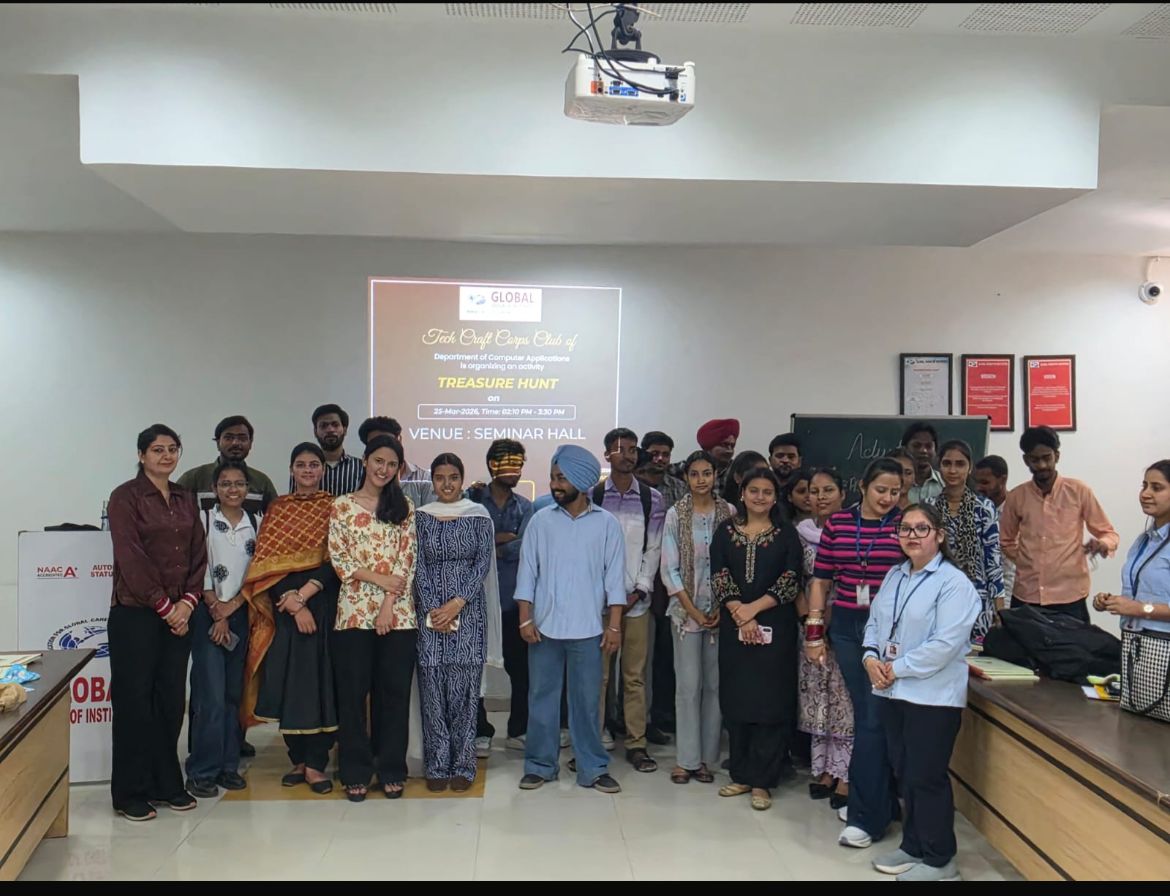
Tech Craft Crops Club of the department of Computer Applications Organized “Treasure Hunt” activity on 25 -03-2026 for students . The Treasure Hunt activity aimed creative thinking among students. It encouraged students to engage in a fun and educational challenge and strategic thinking as they solved clues and navigated to hidden treasures.
The activity commenced with an introduction to the rules and objectives. Each team was given their first clue, setting them off on the treasure hunt. The event encouraged friendly competition, as teams raced against each other to complete the hunt.
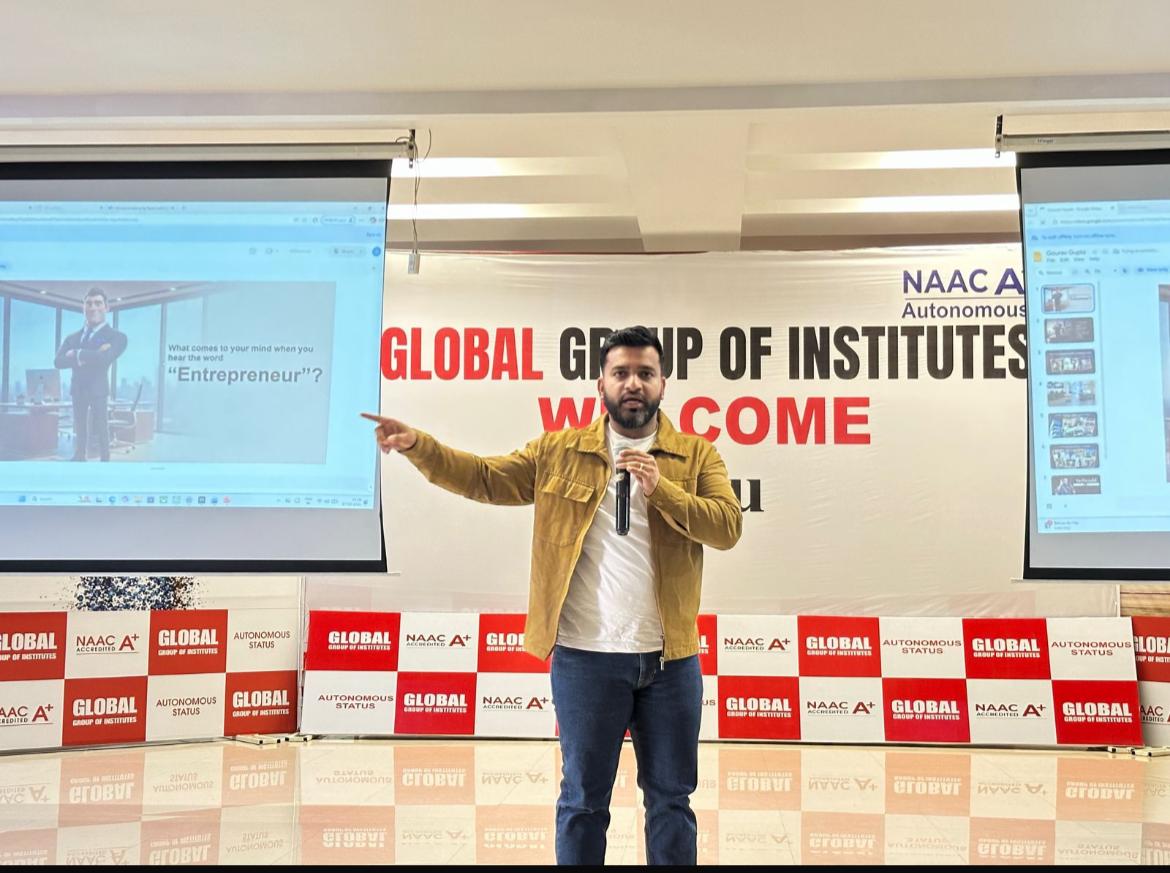


| Mohd Sohail(Bomi Education) B.Tech CSE :“My overall experience at Global Institutes has been truly rewarding, as I successfully secured placement through the Training and Placement Cell. The faculty of the CSE Department is highly energetic, motivating, and knowledgeable, which significantly contributed to my academic and personal growth. The institute not only helped me enhance my technical skills but also played a vital role in shaping my overall personality. I am grateful for the enriching experience and feel fortunate to have been a part of this esteemed institution.” | 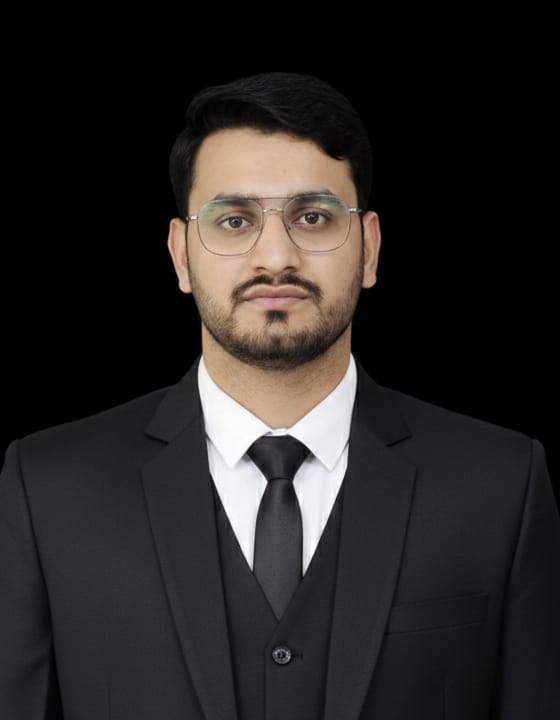 |
| Arshdeep Singh Sodhi B.Tech CSE (ICIC Bank)): “My experience as an CSE student at Global Institutes has been truly rewarding and enriching. The faculty is highly supportive and motivating, which played a significant role in helping me achieve strong academic and professional outcomes. The guidance provided by the Training and Placement Cell was instrumental in enhancing my skills and preparing me for the corporate world. Their continuous support helped me build confidence and refine my abilities, ultimately enabling me to begin my career in the .I am grateful to the faculty, staff, and management of Global Institutes for their constant encouragement and guidance, which helped me secure a position at ICIC Bank.” |  |
| Pinu Adarsh (Agumentik Software)B.Tech CSE“Securing a salary package with fine amount at Agumentik Software through Global Institutes has given a significant boost to my career. This achievement has not only strengthened my confidence but also contributed greatly to my overall personality development.I strongly believe that the Global Institute, which is already among the best, will continue to grow and emerge as one of the top institutes in the years to come.” | 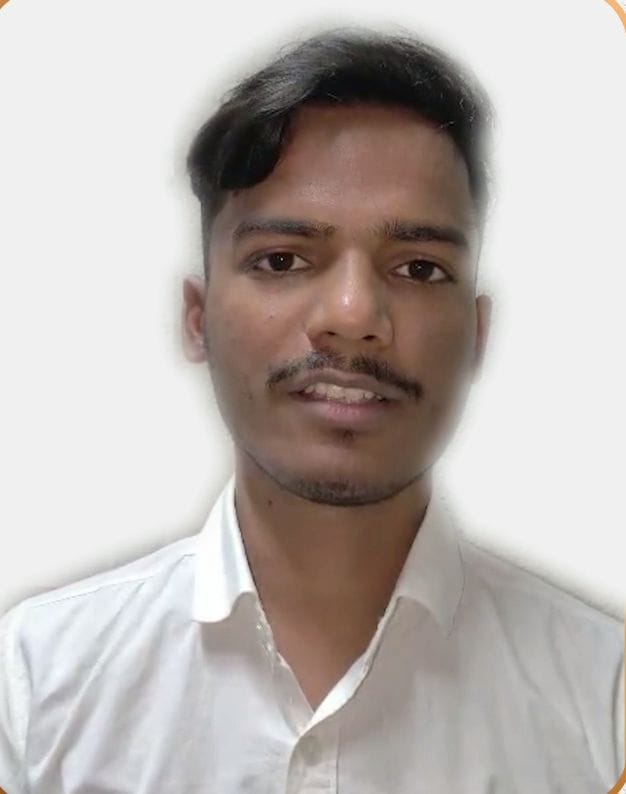 |
| Damanpreet Kaur (Adroti P Ltd) B.Tech CSE Global Institutes has provided me with an excellent platform to enhance and polish my skills. The faculty, staff, and management are extremely supportive and always willing to guide students at every step. The institute consistently motivates students to develop their abilities and prepares them to meet industry requirements, making them truly employable professionals. I am proud to be a part of Global Institutes. | 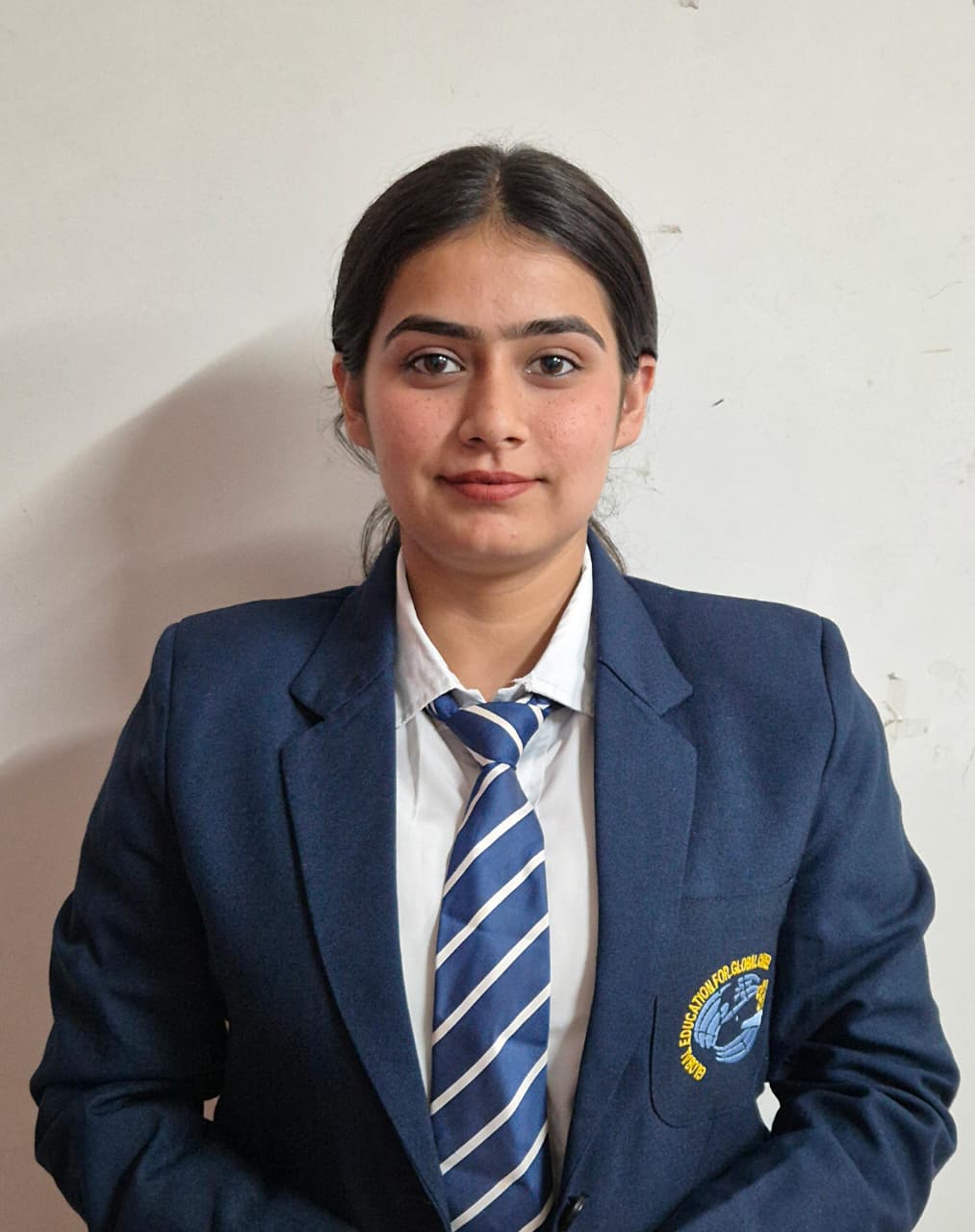 |
| Abhimanyu Dub (Smart Coder) B.Tech CSE “Global Institutes has provided me with an excellent learning environment and quality education. I was also successfully placed at Smart Coder, which has been a significant milestone in my career. The management and faculty were consistently cooperative, supportive, and always ready to help. The institute offers a truly conducive environment that supports not only academic learning but also the overall development of one’s personality. I am grateful to Global Institute for playing an important role in shaping my career and professional growth.” |  |
| Anjali Rattan (Adroti P Ltd) (B.tech CSE “Global Institutes regularly organizes industrial visits and guest lectures by industry experts, providing valuable exposure to real-world practices. The classrooms are well-equipped with modern facilities such as air conditioning and LCD projectors, creating a comfortable and effective learning environment. The teaching approach is aligned with current industry trends and focuses on practical relevance, ensuring meaningful learning. The faculty members consistently inspire and motivate students to realize their full potential.I am proud to be a product of this esteemed institute.” |  |
| Manbir Singh Creatiosoft Solutions B.tech CSE “Global Institute has not only provided me with valuable academic knowledge but has also given me exposure to various extracurricular activities that contributed to my overall development. My experience over these two years has been truly tremendous. I cherish and vividly remember almost every moment of my college life. I feel overwhelmed and grateful to have had the opportunity to be a part of GIM.I would like to express my sincere respect and gratitude to all my teachers for their constant guidance, support, and encouragement. |  |
The Bachelor of Science in Cyber Security is a 3-years specialized undergraduate degree program designed to equip students with in-depth knowledge and practical skills to protect information systems and digital assets from cyber threats. As cybercrime and data breaches become more sophisticated and widespread, this program prepares students to meet the increasing demand for cyber security professionals in both the public and private sectors.
Program Objective:
The primary goal of the program is to produce graduates who can analyze, detect, and prevent cyber threats while ensuring the confidentiality, integrity, and availability of data and systems.
PROGRAM OUTCOMES (POs)
Program: B Sc in Cyber Security
- Basic knowledge: An ability to apply knowledge of basic mathematics, science and domain knowledge to solve the computational problems.
- Discipline knowledge: An ability to apply discipline– specific knowledge to solve core and/or applied computational problems.
- Experiments and practice: An ability to plan and perform experiments and practices and to use the results to solve computational problems.
- Tools Usage: Apply appropriate technologies and tools with an understanding of limitations.
- Profession and society: Demonstrate knowledge to assess societal, health, safety, legal and cultural issues and the consequent responsibilities relevant to professional practice.
- Environment and sustainability: Understand the impact of the computational solutions in societal and environmental contexts, and demonstrate the knowledge and need for sustainable development.
- Ethics: Apply ethical principles and commit to professional ethics and responsibilities and norms of the professional practice.
- Individual and team work: Function effectively as an individual, and as a member or leader in diverse/multidisciplinary teams.
- Communication: An ability to communicate effectively.
- Life-long learning: Recognize the need for, and have the preparation and ability to engage in independent and life-long learning in the context of technological changes.