
1. Medical Laboratory Roles: Opportunities as Medical Laboratory Technologist, Lab Technician, and Diagnostic Specialist in hospitals and laboratories.
2. Healthcare & Hospitals: Careers in multispecialty hospitals, diagnostic centers, and pathology labs supporting disease diagnosis and treatment.
3. Diagnostic & Pathology Labs: Roles in clinical testing, sample analysis, and laboratory management in reputed diagnostic organizations.
4. Research & Development: Opportunities in medical research labs, biotech companies, and healthcare research organizations.
5. Specialized Fields: Scope in areas like Microbiology, Biochemistry, Hematology, Immunology, and Molecular Diagnostics.
6. Higher Education: Options to pursue M.Sc Medical Lab Sciences, MPH, or other specialized healthcare programs.
7. Government Sector: Opportunities in government hospitals, public health labs, and healthcare departments.
8. Global Career Scope: Demand for skilled lab professionals in international healthcare systems and diagnostic industries.


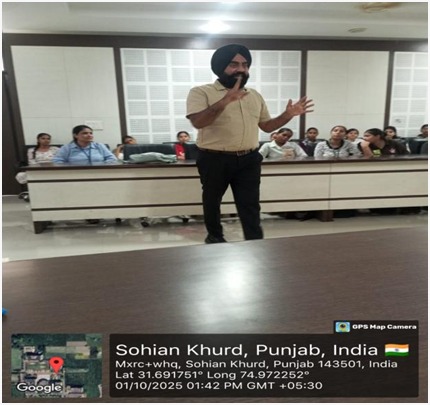
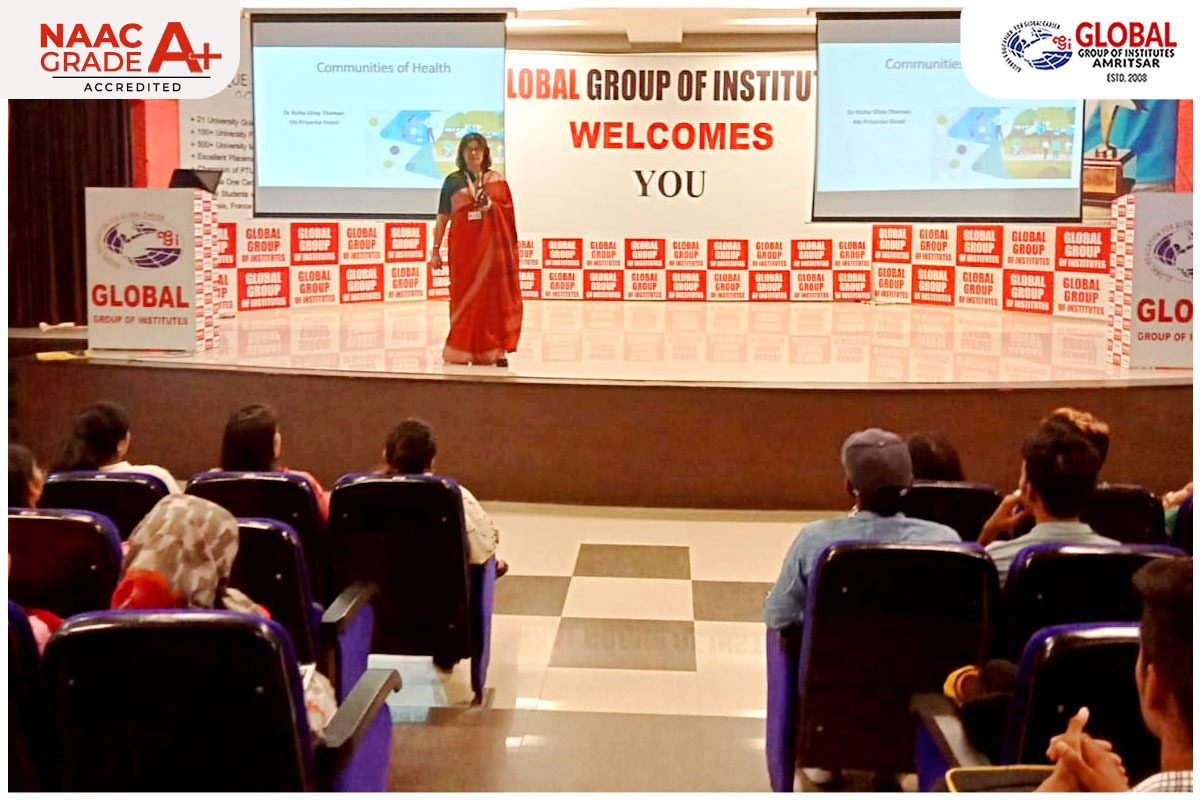
The Department of Medical Laboratory Sciences organized an expert talk on Sterilization on 01/10/2025 delivered by Mr. Gurinder Singh, Head of the Department of Allied Health Sciences, Lovely Professional University, Phagwara
The Department of Medical Laboratory Sciences organized an expert talk on Sterilization on 01/10/2025 delivered by Mr. Gurinder Singh, Head of the Department of Allied Health Sciences, Lovely Professional University, Phagwara. He has extensive experience in infection control, sterilization protocols, and allied health education. His
Read More »
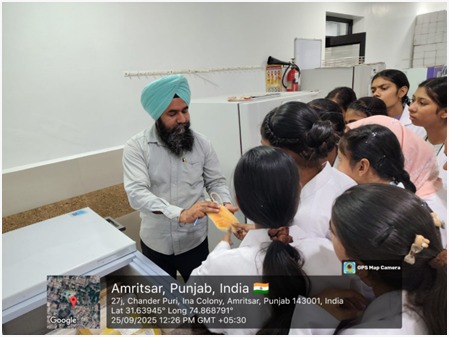
Department of Medical Laboratory Science visited Smt. Parvati Devi Hospital, Amritsar
The objective of the visit was to familiarize students with blood bank practices and the overall healthcare environment through direct exposure. The hospital housed several departments, including the blood bank unit, physiotherapy, operation theatre, emergency and trauma care, critical care, and pharmacy. Students were divided
Read More »
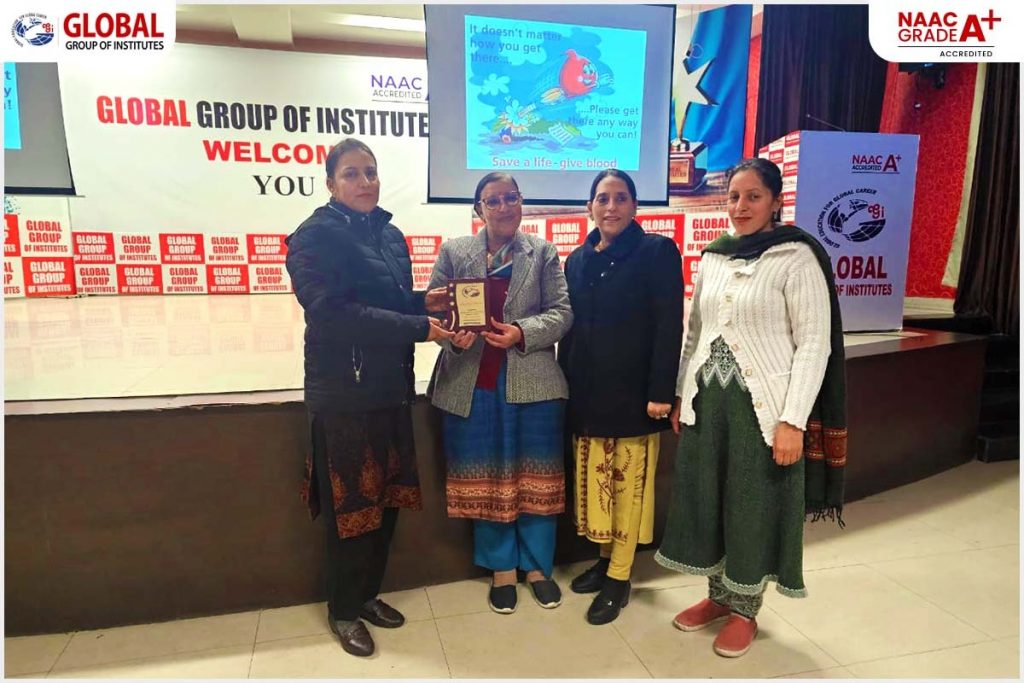
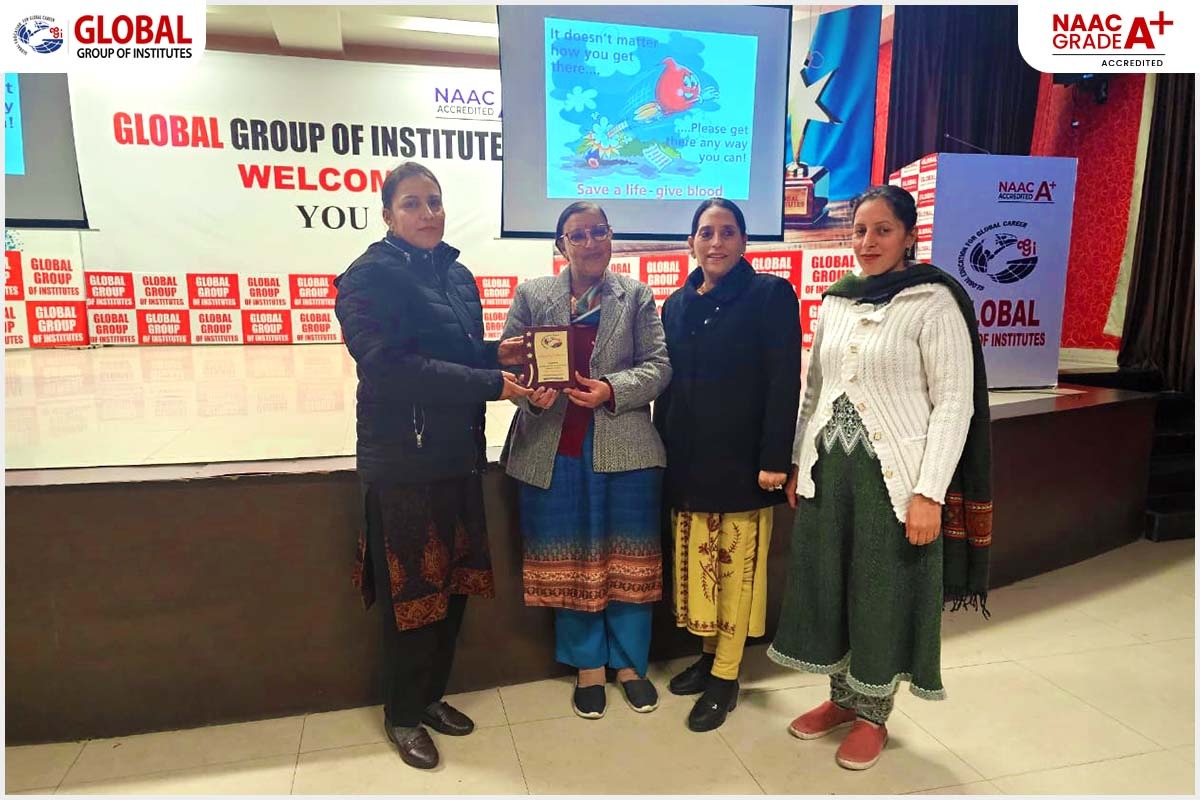
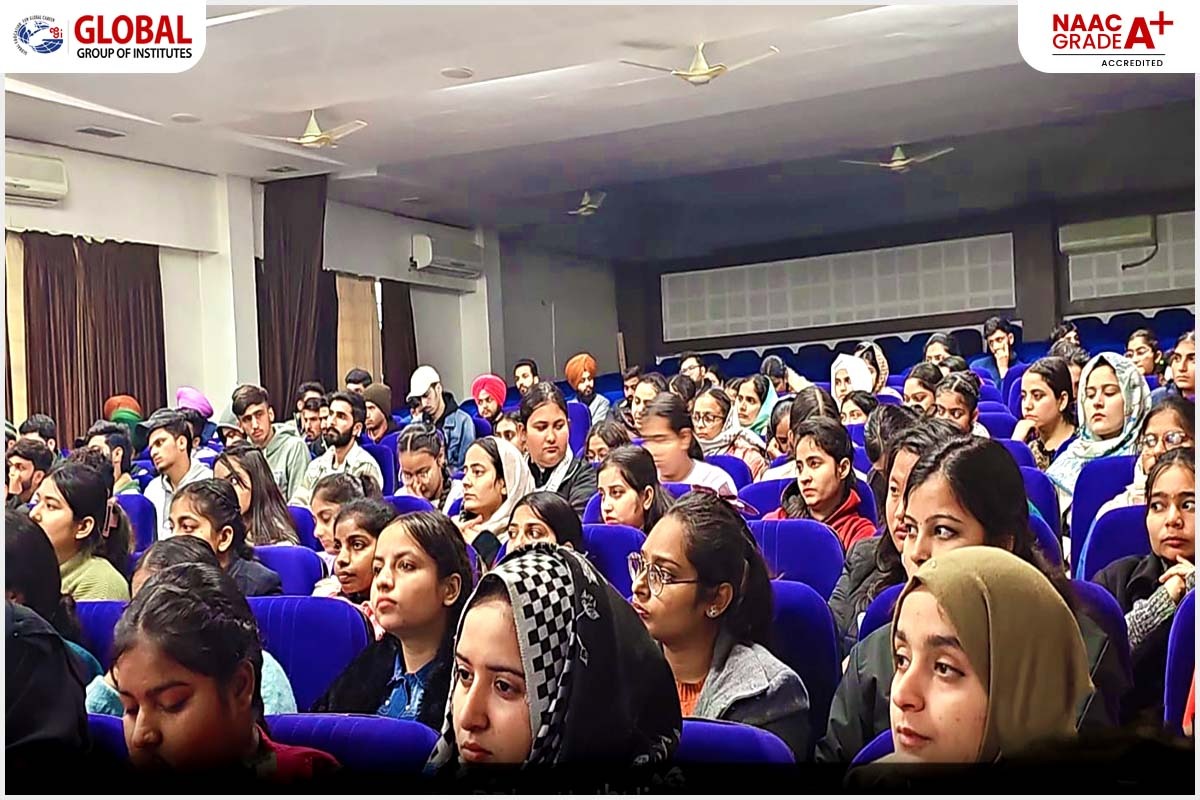
Department of Medical Laboratory Sciences of the Pharmacy Wing organised an Expert Talk on the topic of “BLOOD DONATION”
Dr. Neeraj Sharma, HOD, Blood Bank, Guru Nanak Dev Hospital, Amritsar, was the main speaker who spoke at length covering various aspects of blood donation. In her address, she said that the Blood that we Donate could save precious life of someone who can be
Read More »

Department of MLS , RIT and OTT organised a expert talk on Fatty Liver
Department of MLS , RIT and OTT organised a expert talk on Fatty Liver on 16/02/23 by Dr. Jagdeep Singh, DM Gastroenterologist Fortis Escort Hospital Amritsar. He discussed about Non Alcoholic Fatty Liver disease (NAFLD) which is a disorder characterized by the excess accumulation of
Read More »
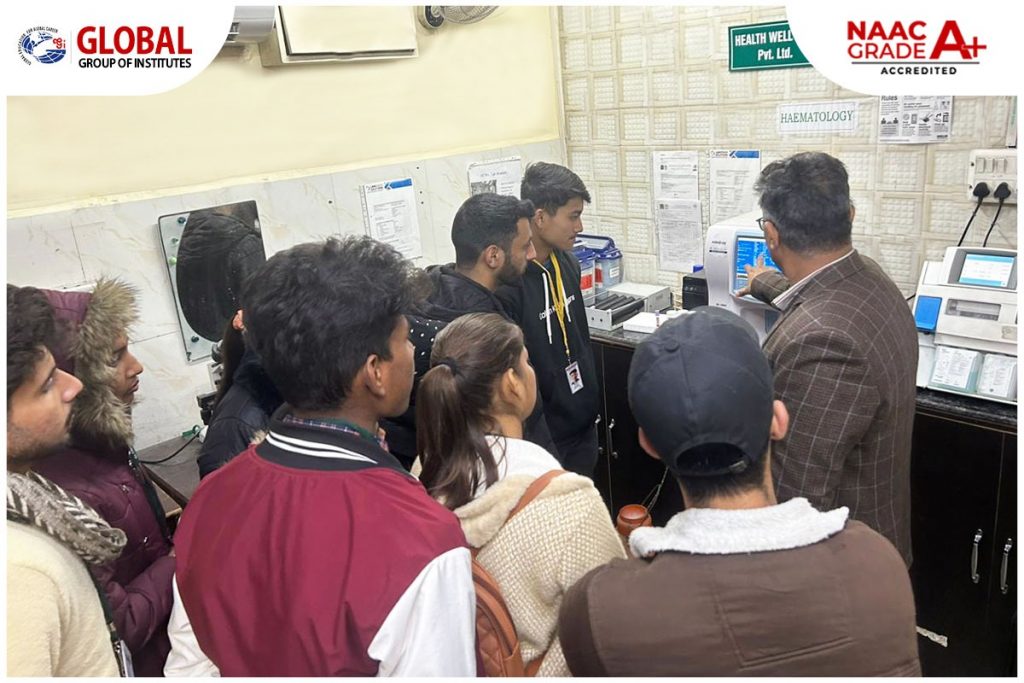
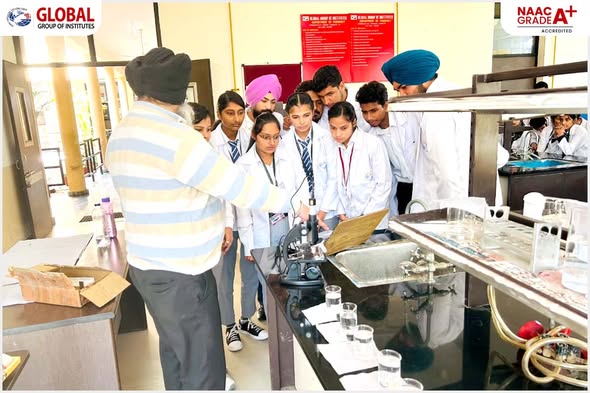
The Department of Medical Laboratory Science organized a visit to Laboratory at Shoor Multi Super Specialty Hospital, Khazana Gate, Amritsar
The Department of Medical Laboratory Science organized a visit to Laboratory at Shoor Multi Super Specialty Hospital, Khazana Gate, Amritsar on 22nd December 2022. The students were also accompanied by faculty members. In this tour, the students gained knowledge of basic working of in-house Laboratory,
Read More »
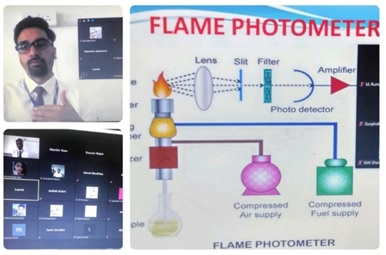
One day value added course on ‘Introduction to MLS & Analytical Techniques used in Laboratory.’
Department of MEDICAL LABORATORY SCIENCES organized a value added course on 30-10-2020 for the understudies, as these talks become a huge part of schooling. The discussion was passed on by Prof. Lalit Kumar, Head of Department of MLS TIMT, Jalandhar. The subject of talk was
Read More »
One day value added course on ‘Introduction to MLS & Analytical Techniques used in Laboratory.’
Department of MEDICAL LABORATORY SCIENCES organized a value added course on 30-10-2020 for the understudies, as these talks become a huge part of schooling. The discussion was passed on by Prof. Lalit Kumar, Head of Department of MLS TIMT, Jalandhar. The subject of talk was
Read More »
The Department of Medical Laboratory Sciences organized an expert talk on Sterilization on 01/10/2025 delivered by Mr. Gurinder Singh, Head of the Department of Allied Health Sciences, Lovely Professional University, Phagwara
The Department of Medical Laboratory Sciences organized an expert talk on Sterilization on 01/10/2025 delivered by Mr. Gurinder Singh, Head of the Department of Allied Health Sciences, Lovely Professional University, Phagwara. He has extensive experience in infection control, sterilization protocols, and allied health education. His
Department of Medical Laboratory Science visited Smt. Parvati Devi Hospital, Amritsar
The objective of the visit was to familiarize students with blood bank practices and the overall healthcare environment through direct exposure. The hospital housed several departments, including the blood bank unit, physiotherapy, operation theatre, emergency and trauma care, critical care, and pharmacy. Students were divided
Department of Medical Laboratory Sciences of the Pharmacy Wing organised an Expert Talk on the topic of “BLOOD DONATION”
Dr. Neeraj Sharma, HOD, Blood Bank, Guru Nanak Dev Hospital, Amritsar, was the main speaker who spoke at length covering various aspects of blood donation. In her address, she said that the Blood that we Donate could save precious life of someone who can be
Department of MLS , RIT and OTT organised a expert talk on Fatty Liver
Department of MLS , RIT and OTT organised a expert talk on Fatty Liver on 16/02/23 by Dr. Jagdeep Singh, DM Gastroenterologist Fortis Escort Hospital Amritsar. He discussed about Non Alcoholic Fatty Liver disease (NAFLD) which is a disorder characterized by the excess accumulation of
The Department of Medical Laboratory Science organized a visit to Laboratory at Shoor Multi Super Specialty Hospital, Khazana Gate, Amritsar
The Department of Medical Laboratory Science organized a visit to Laboratory at Shoor Multi Super Specialty Hospital, Khazana Gate, Amritsar on 22nd December 2022. The students were also accompanied by faculty members. In this tour, the students gained knowledge of basic working of in-house Laboratory,
One day value added course on ‘Introduction to MLS & Analytical Techniques used in Laboratory.’
Department of MEDICAL LABORATORY SCIENCES organized a value added course on 30-10-2020 for the understudies, as these talks become a huge part of schooling. The discussion was passed on by Prof. Lalit Kumar, Head of Department of MLS TIMT, Jalandhar. The subject of talk was
One day value added course on ‘Introduction to MLS & Analytical Techniques used in Laboratory.’
Department of MEDICAL LABORATORY SCIENCES organized a value added course on 30-10-2020 for the understudies, as these talks become a huge part of schooling. The discussion was passed on by Prof. Lalit Kumar, Head of Department of MLS TIMT, Jalandhar. The subject of talk was
“Department of Medical Laboratory Sciences of the Pharmacy Wing organised an Expert Talk on the topic of “BLOOD DONATION”
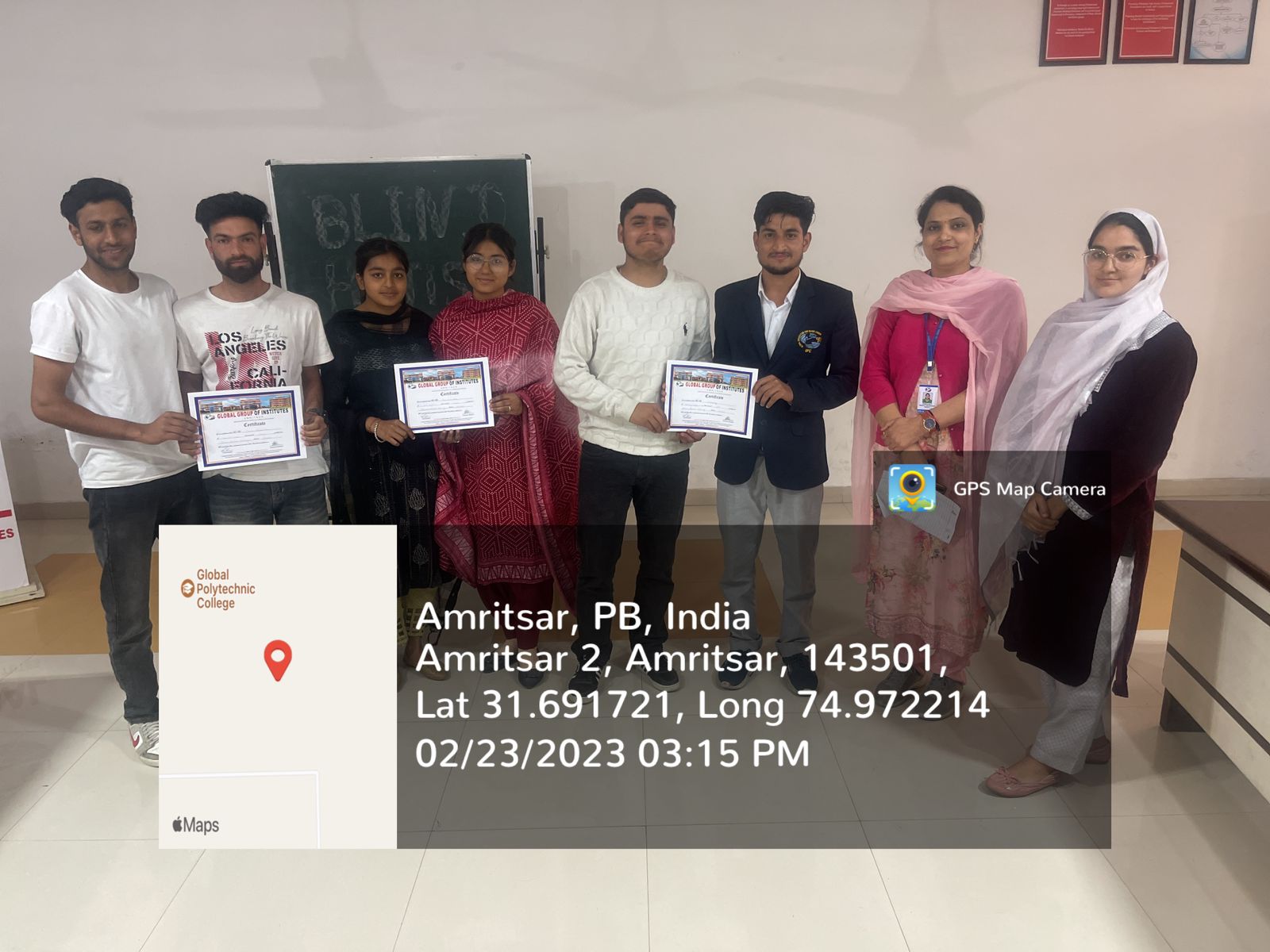
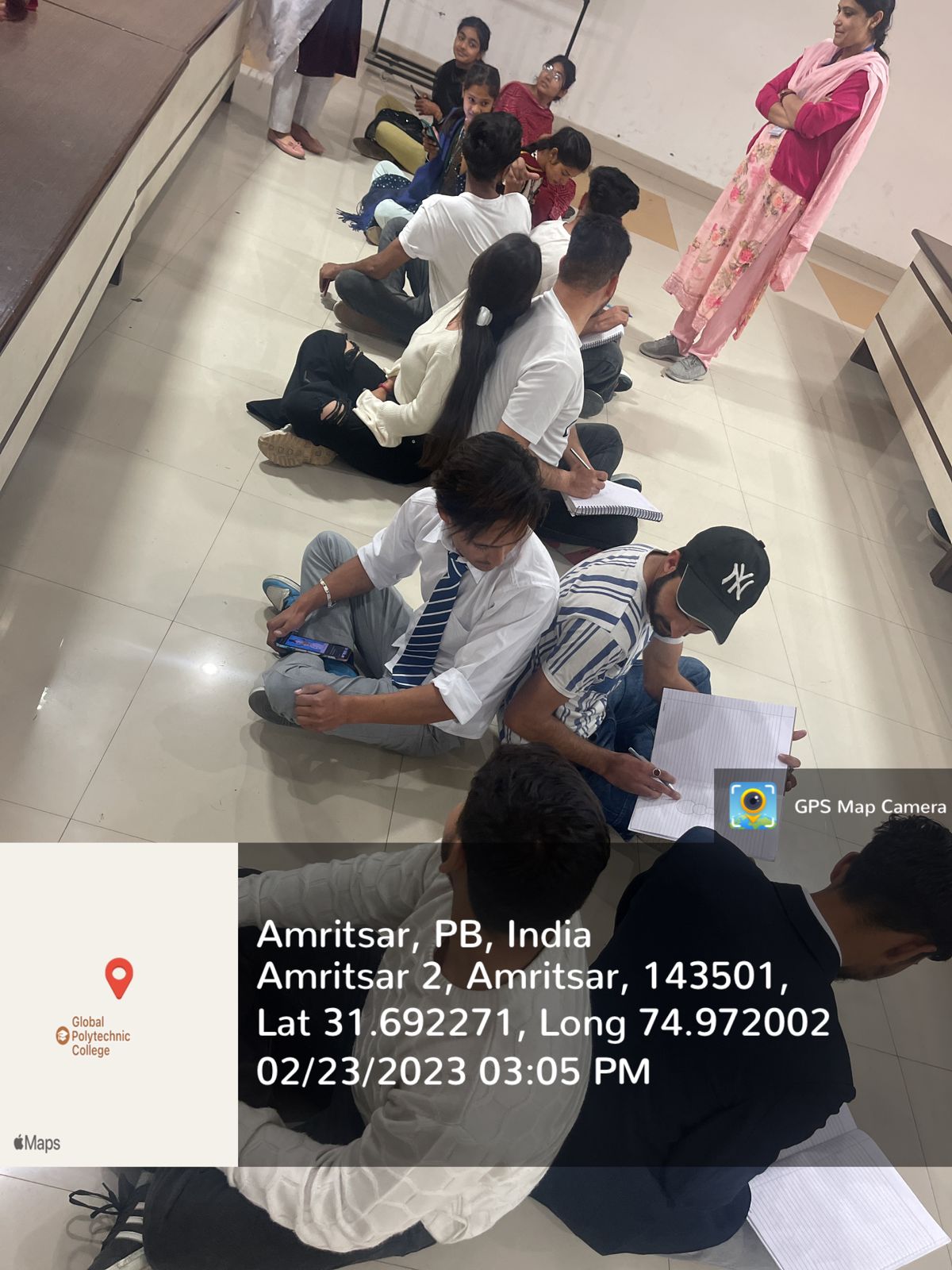
“MLS / OTT /RIT Department Organized the “ *Blind Artist ” Activity on 23rd Feb. 2022 in Pharmacy Department.”
TALK ON FATTY LIVER
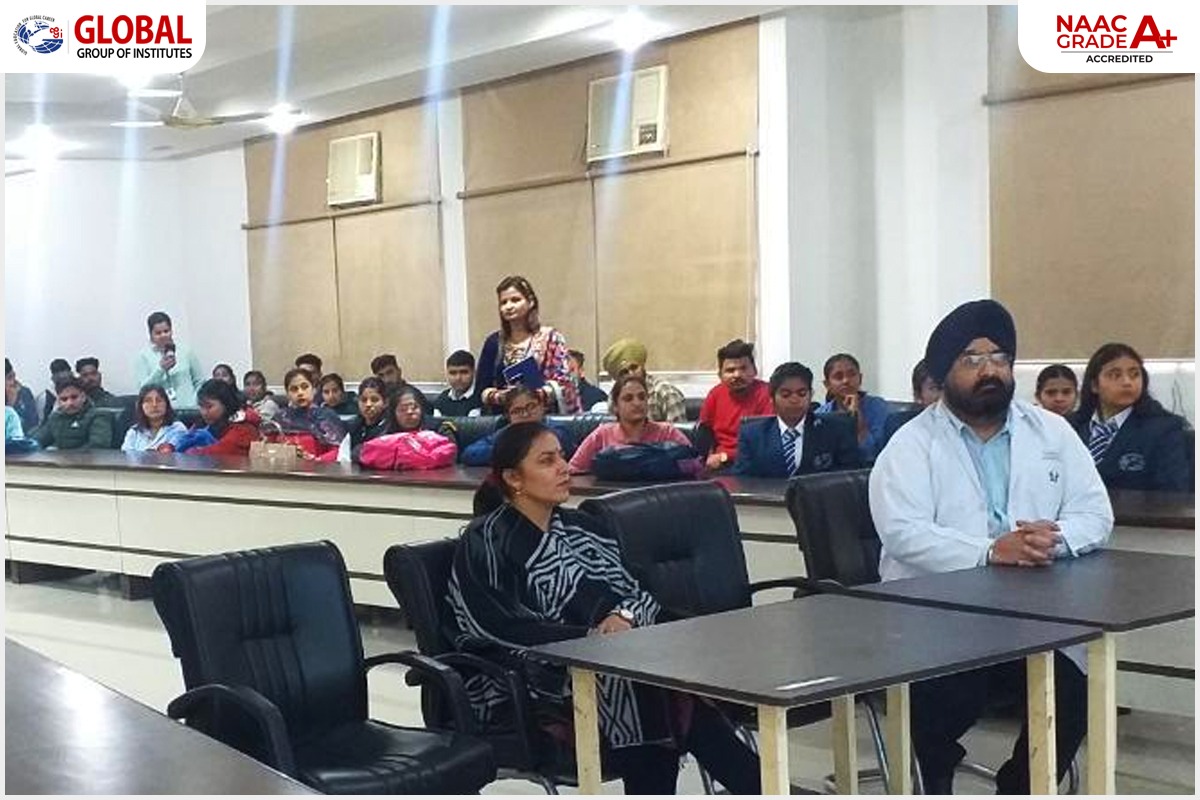
The Department of Medical Laboratory Science organized a visit to Laboratory at Shoor Multi Super Specialty Hospital, Khazana Gate, Amritsar on 22nd December 2022.
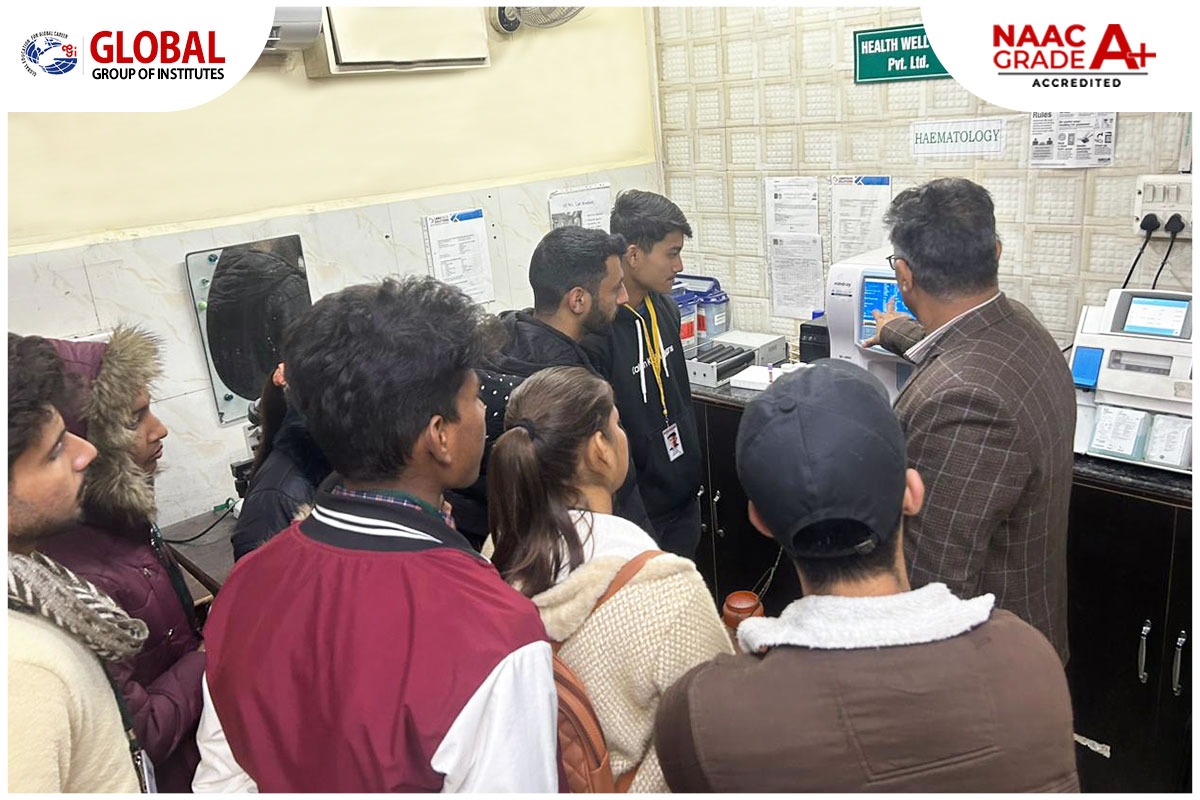
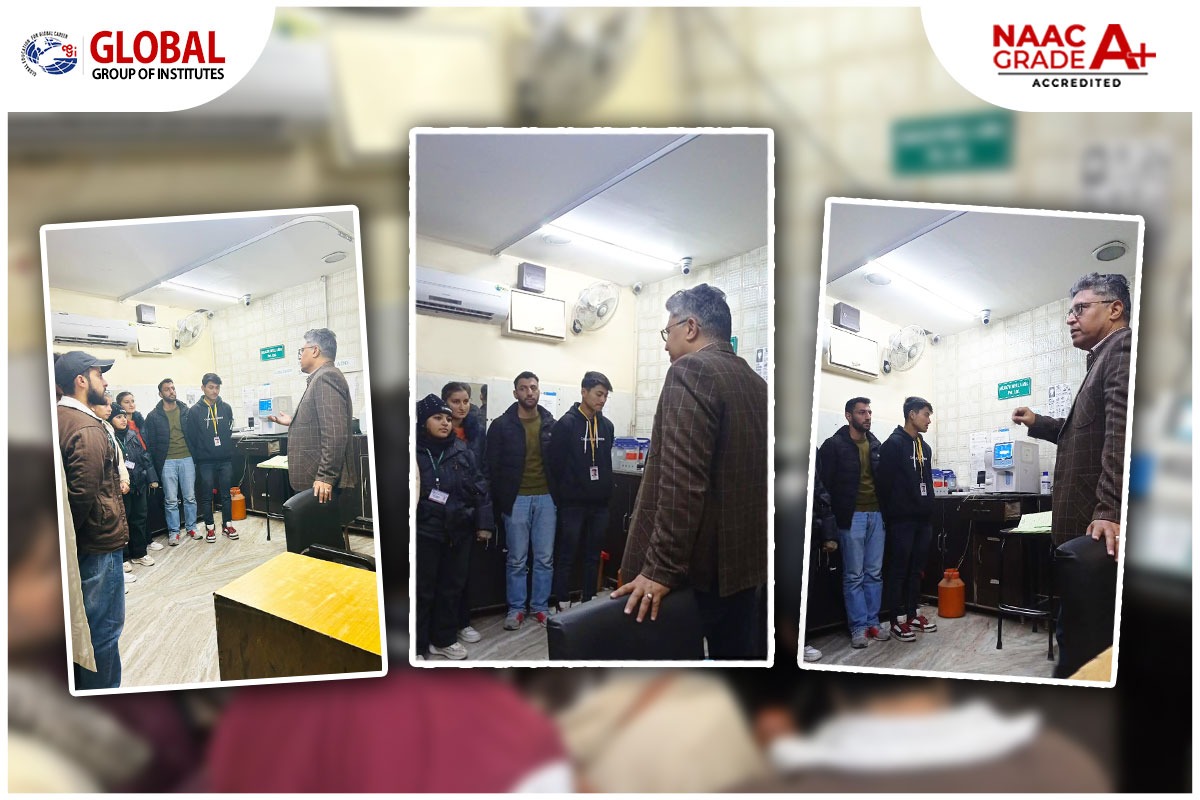
One day value added course on ‘Introduction to MLS & Analytical Techniques used in Laboratory.’
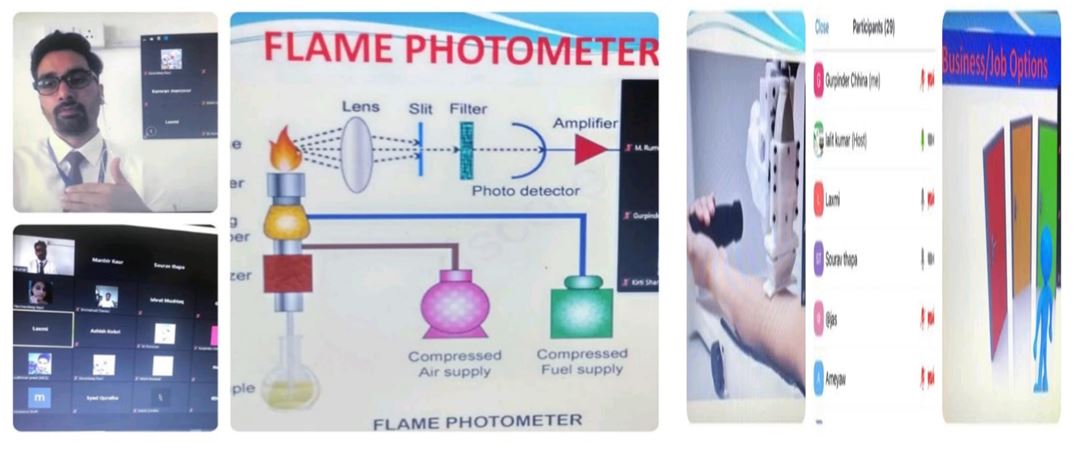 Department of MEDICAL LABORATORY SCIENCES organized a value added course on 30-10-2020 for the understudies, as these talks become a huge part of schooling. The discussion was passed on by Prof. Lalit Kumar, Head of Department of MLS TIMT, Jalandhar. The subject of talk was ‘Introduction to MLS & Analytical Techniques used in Laboratory. Prof. explained that how the Medical Laboratory Science Department is highly focused on laboratory organization, laboratory safety, basic laboratory analyzers, pre-analytical, analytical and post-analytical variables, quality control, calibration and analytical techniques for laboratory settings. All the understudies went to the discussion successfully and moreover cleared their inquiries concerning their outline.
Total Number of Students were 40
One day value added course on “Laboratory Quality Management”
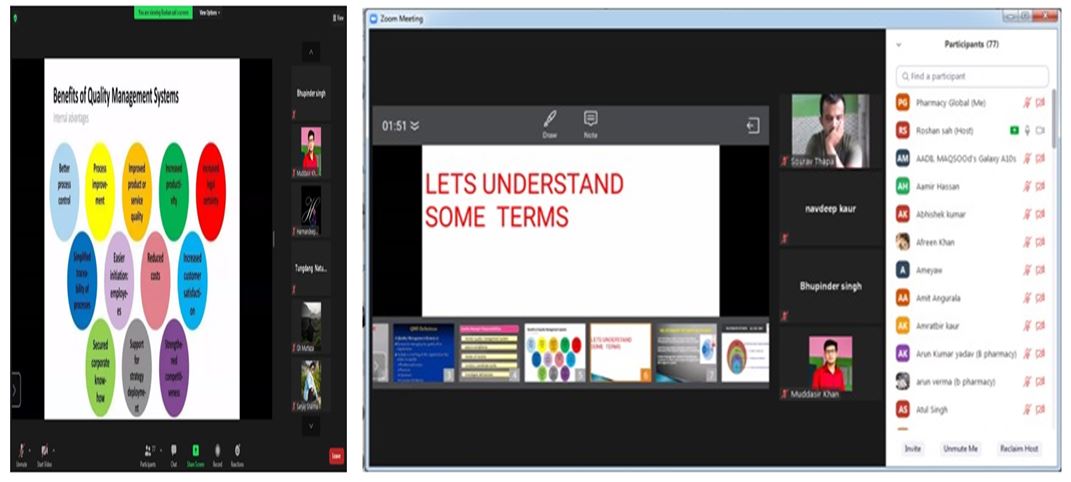 Department of Pharmacy and MLS organized a value added course on “Laboratory Quality Management” on 8-6-2021. Mr. Roshan Sah, a certified internal auditor and a scientific officer at SRL diagnostics who was the Expert Speaker for this webinar. In his interactive session, he gave detailed information about the Laboratory Quality Management which is one of the most important protocol to be followed these days. Mr. Sah also gave practical hands-on experience providing the students with the data sheets to be filled during an internal audit and cleared many doubts about quality control. At the end of this activity, participants learnt the importance of a quality management system and quality system essential elements. The webinar was followed by question answer session and it was a great success and well appreciated by the students and faculty members.
Total Number of Students were 67


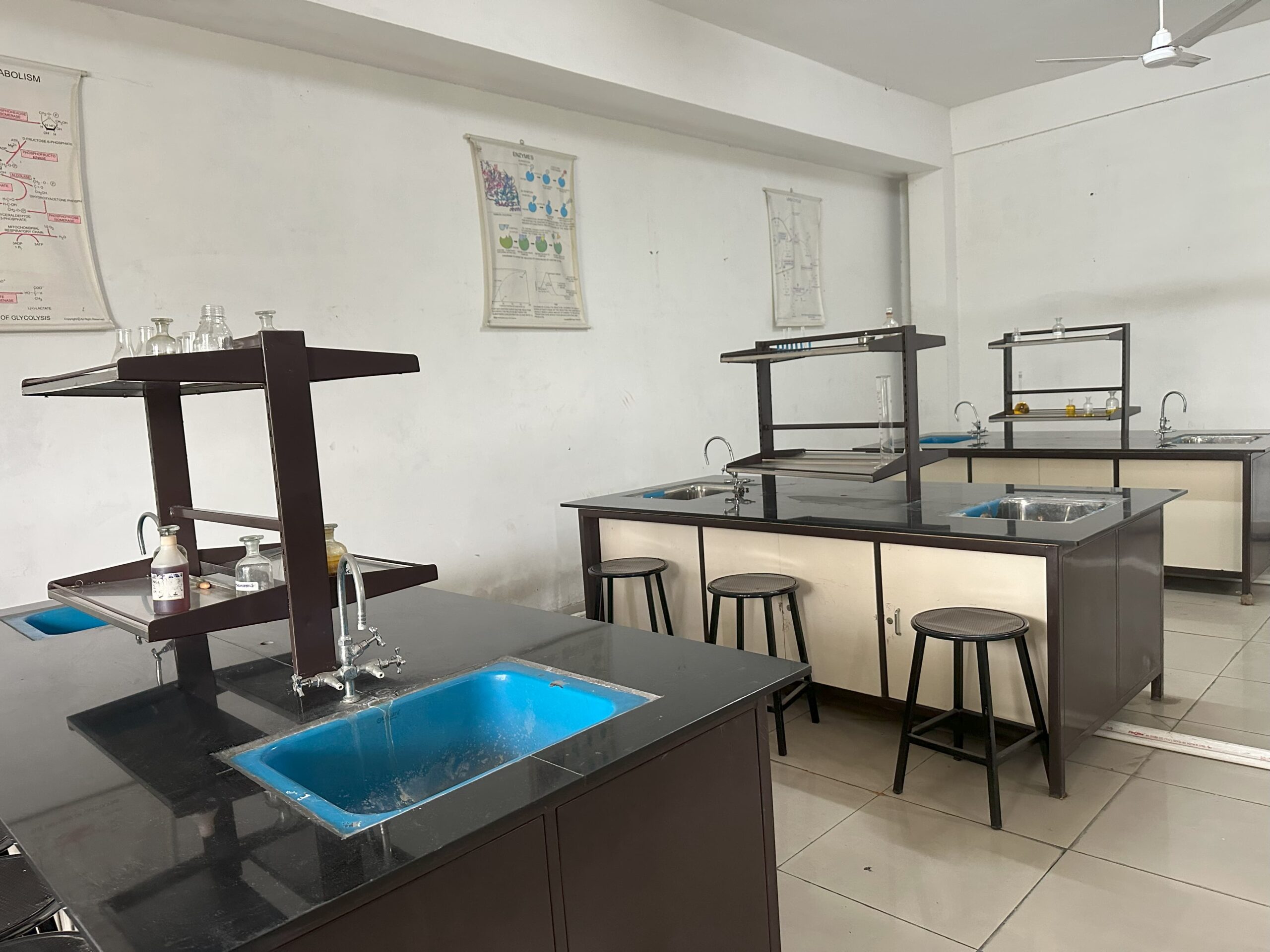
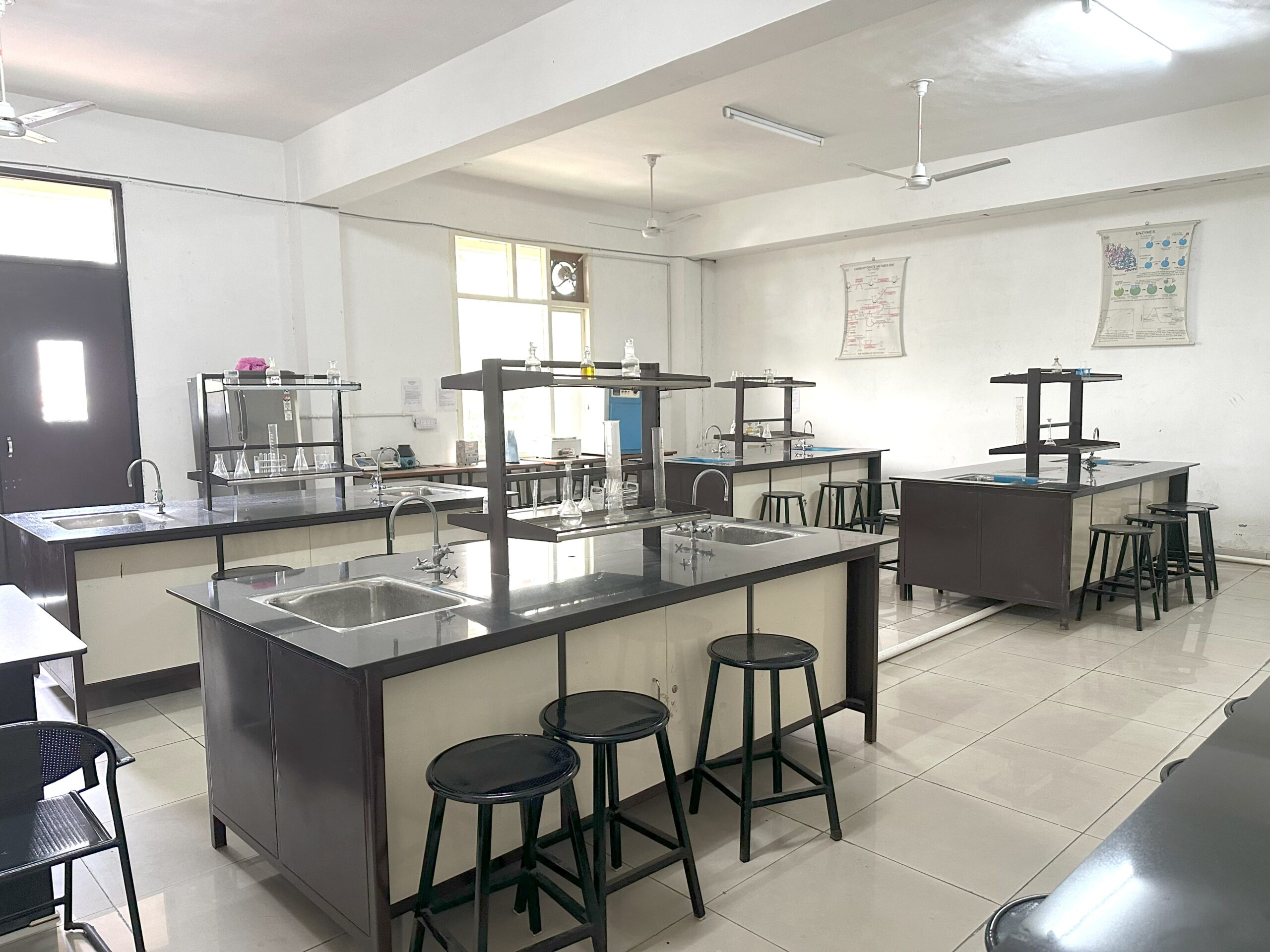
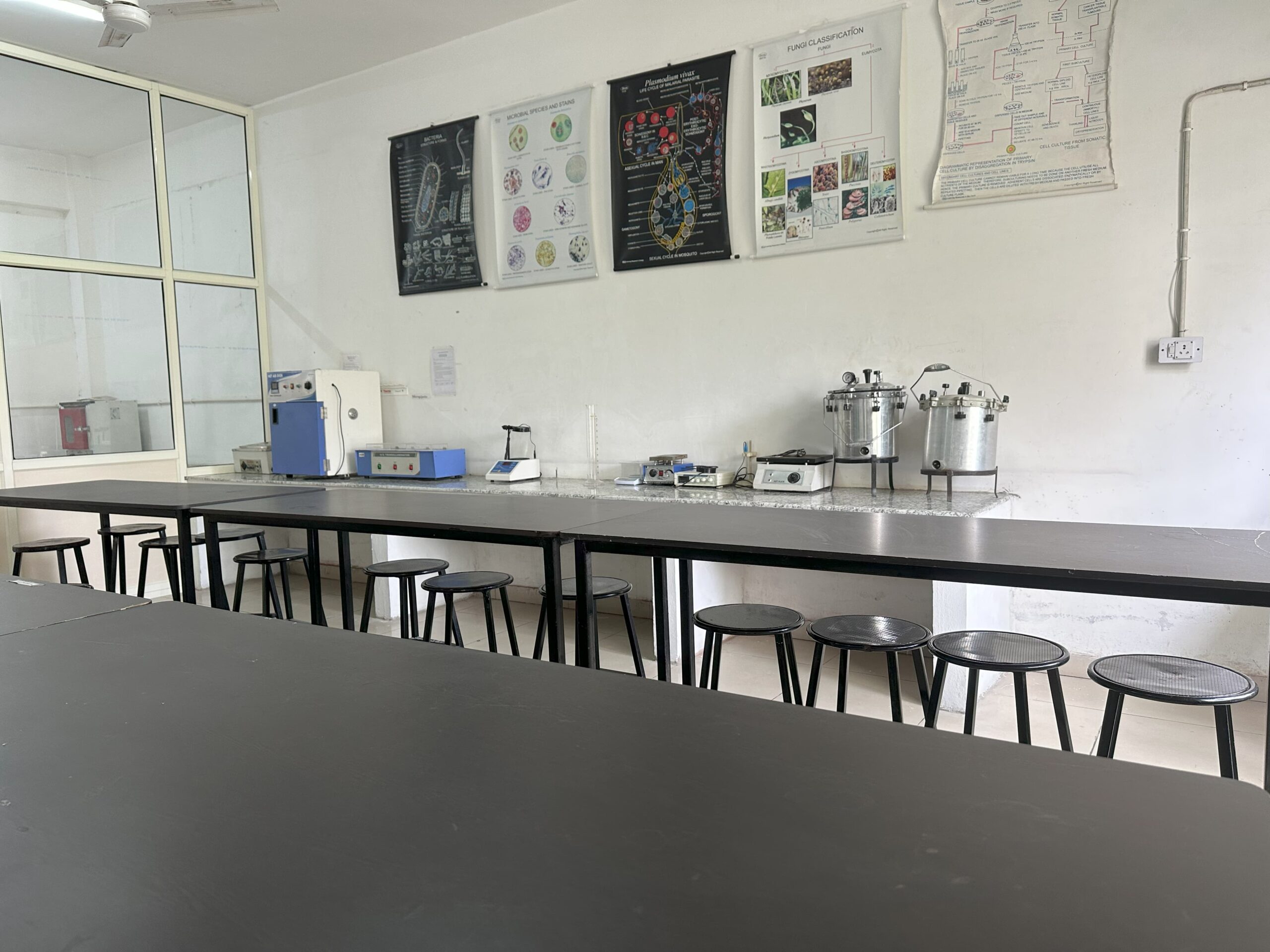
B.Sc. (Medical Lab Sciences)
Bachelor of Science in Operation Theatre Technology
Bachelor of Science in Operation Theatre Technology is course that helps the students in gaining knowledge and understanding the complexities of Operation Theatre Technology. It is a profession which deals with a combination of professionalism, skills and most importantly ethics. They also get wonderful work opportunities in surgical departments of public and private hospitals. An OT technician is in charge of the Operation Theatre along with that they preparing, cleaning and organize surgical instruments before surgery, obeying surgeons order and dealing with anaesthesia equipment. Their primary role is to assist the Surgeons, Specialist, Anaesthesiologists and Nurses. Working as Operation Theatre Technologists, they get to work and grow in the operating theatres, ICUs and emergency departments of hospitals and nursing homes.With an ever-increasing need for world-class healthcare services, students will be handpicked by transplant teams, orthopaedic clinics, gynaecology sections, cancer units, surgery, special care baby units, etc.| Degree | Duration |
| B.Sc | 4 years |
- To develop and transmit knowledge of diverse aspects of health care delivery and health research.
- To provide hands-on learning experience in each discipline of the Operation Theatre and, under supervision, learns in Pre-operative, intra-operative and post-operative areas.
- To promote symbiotic relations with industry, academic and research institutions and community to meet the academicneeds of students.
- To inculcate the employability and entrepreneurial skills through value and skill-based training.
- To provide an environment for holistic evolution of the learners as human, socially responsible and conscious of sustainable ecosystem.