
1. Core Engineering Roles: Opportunities as Design Engineer, Production Engineer, Maintenance Engineer, and Quality Control Engineer in manufacturing and industrial sectors.
2. Manufacturing & Industrial Sector: Careers in automobile, aerospace, energy, and heavy engineering industries with leading national and multinational companies.
3. Government Sector: Opportunities in PSUs and government organizations such as Railways, Defence services, and other technical departments through competitive examinations.
4. Design & R&D: Roles in product design, research and development, and innovation-driven engineering organizations.
5. Specialized Fields: Scope in areas like Robotics, Automation, Thermal Engineering, Mechatronics, and Industrial Engineering.
6. Higher Education: Options to pursue M.Tech, MBA, or MS in specialized mechanical and interdisciplinary fields in India and abroad.
7. Global Career Scope: Opportunities in international industries, especially in manufacturing, automotive, and energy sectors.
8. Entrepreneurship & Innovation: Scope to start manufacturing units, engineering consultancy, or technology-driven ventures.
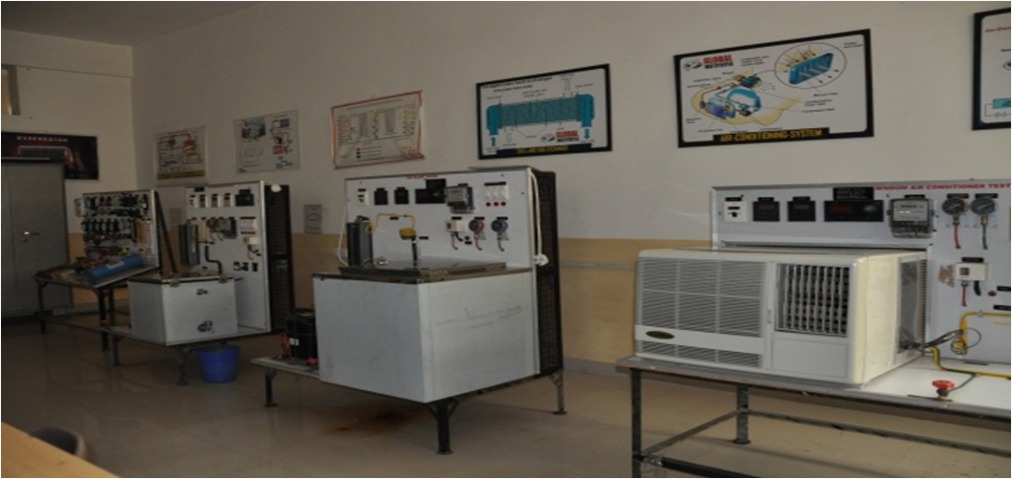
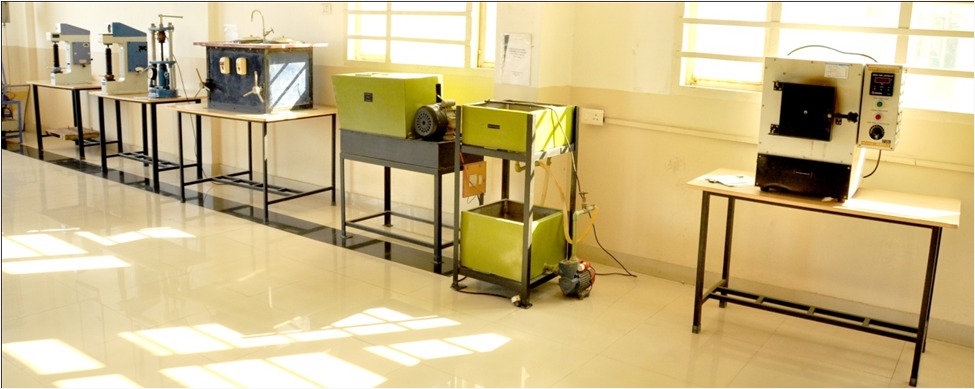
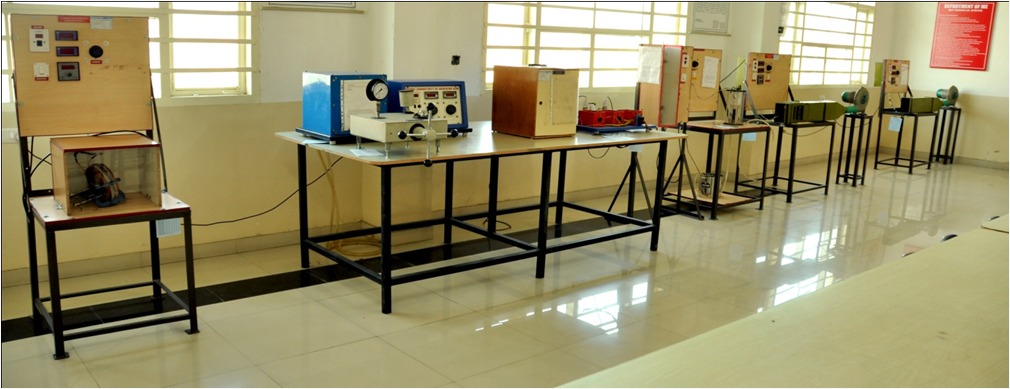
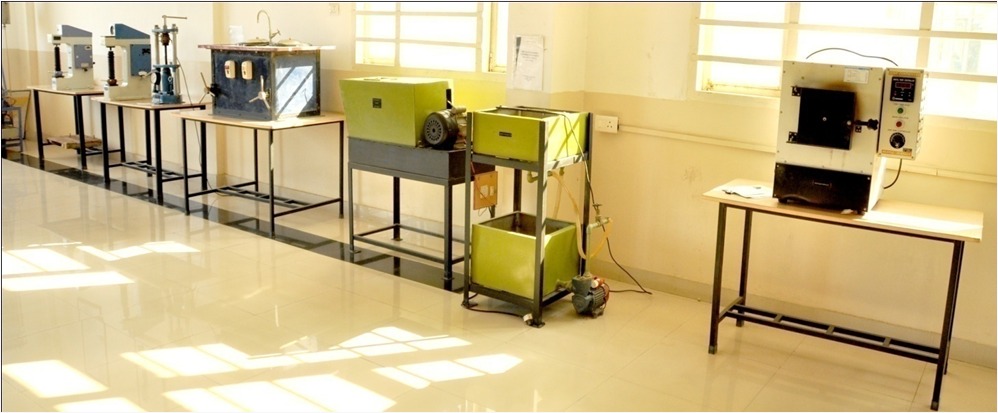
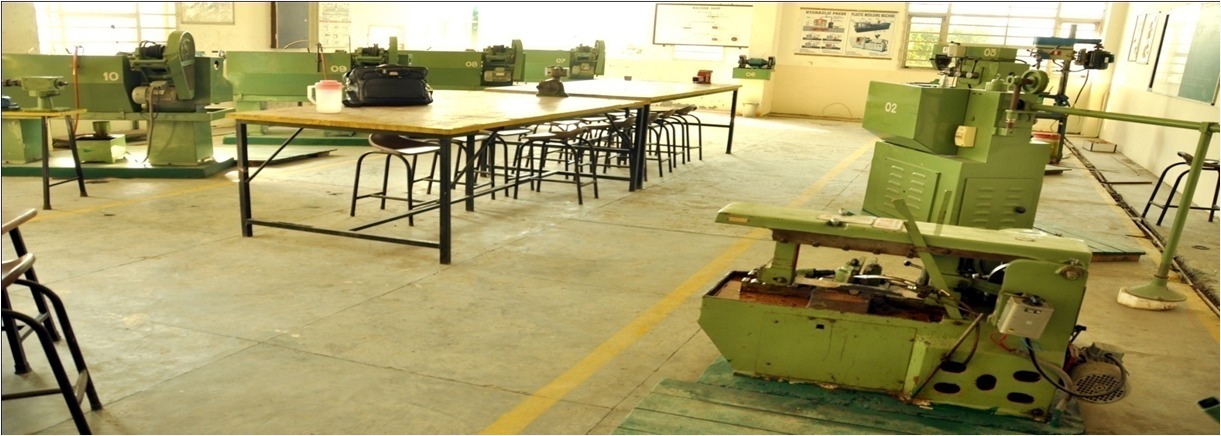
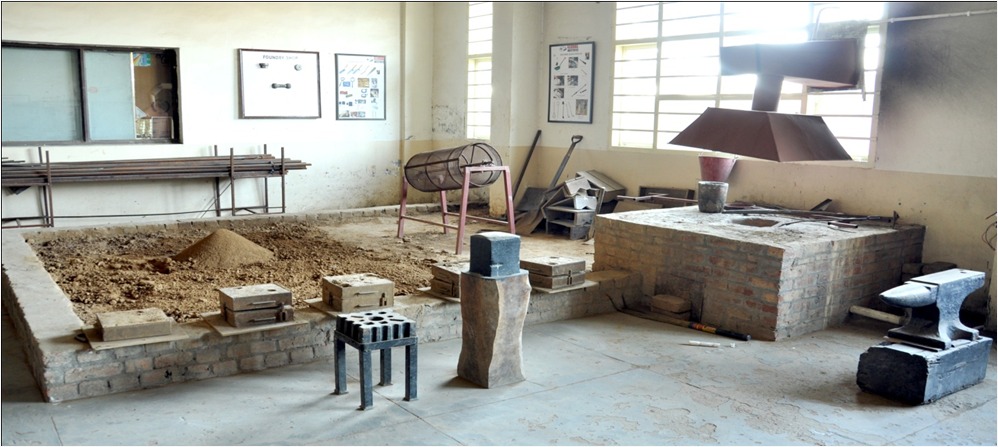
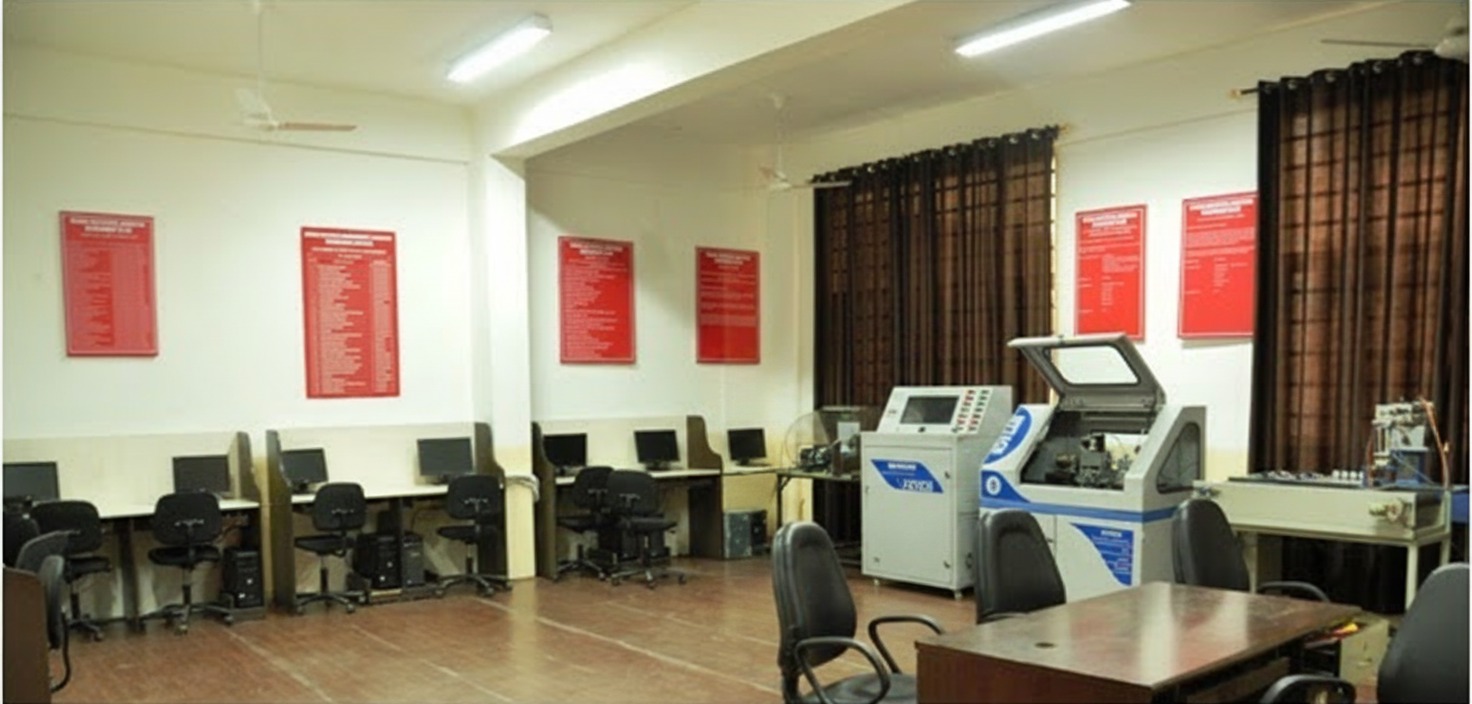
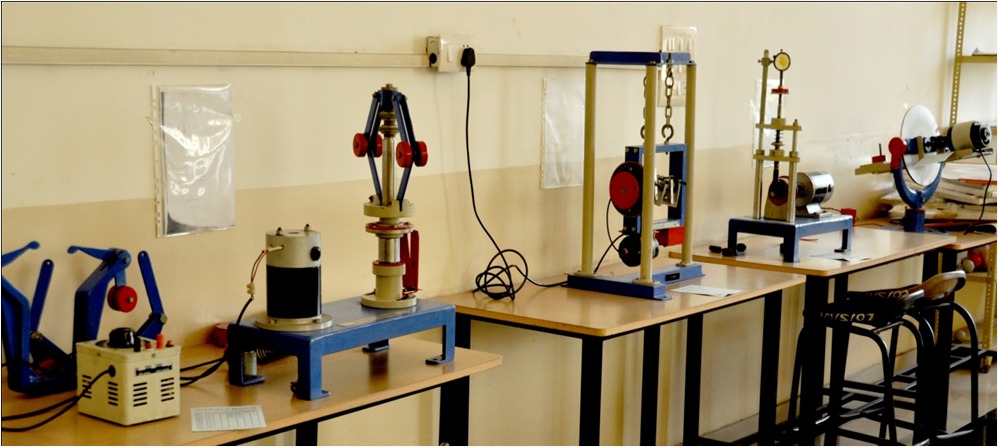
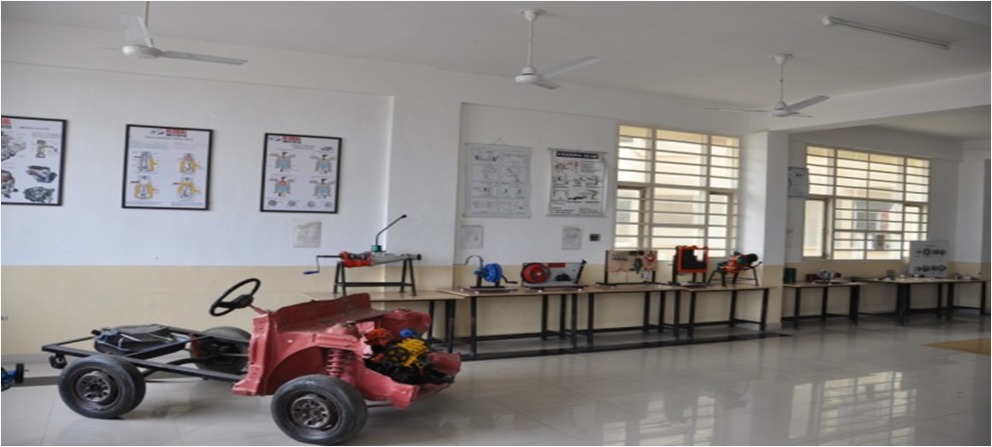
| S.no. | Labs |
| 1. | Manufacturing Practice |
| 2. | Engineering Computer Graphics |
| 3. | Engineering Materials & Metallurgy Lab |
| 4. | Strength of Materials lab. |
| 5. | Applied Thermodynamics Lab |
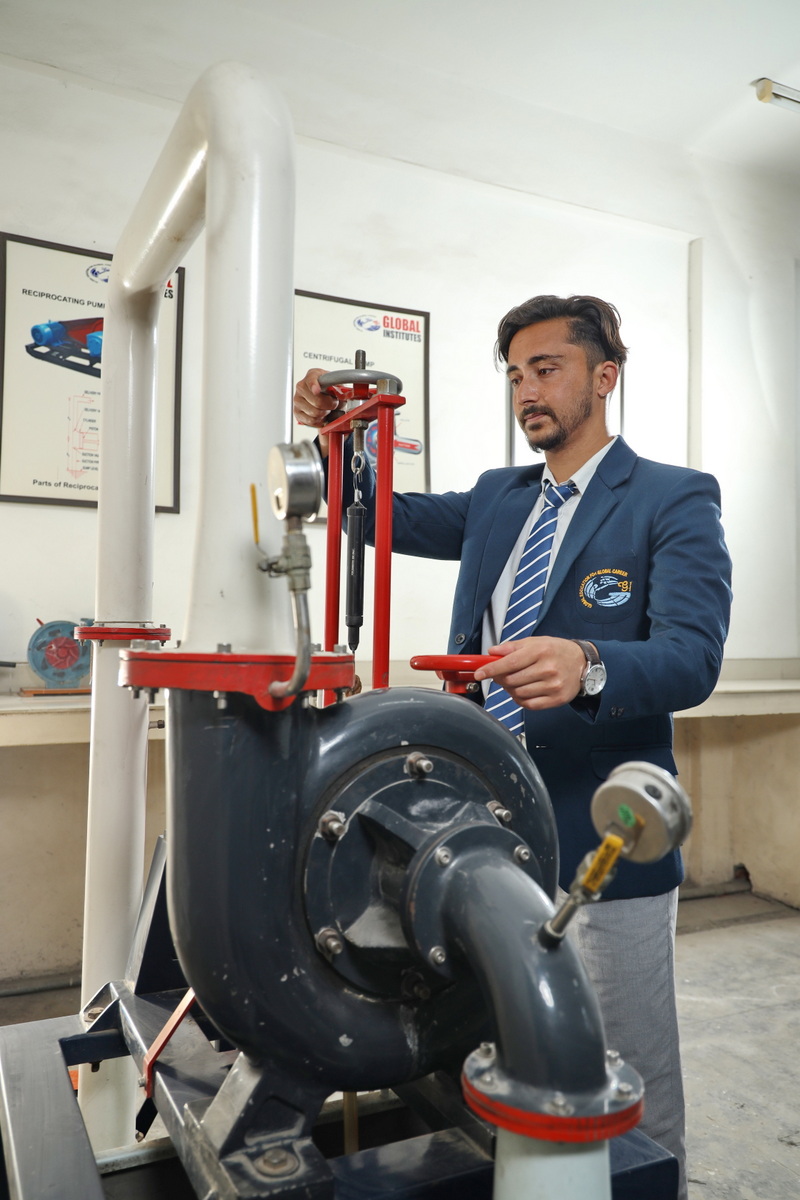
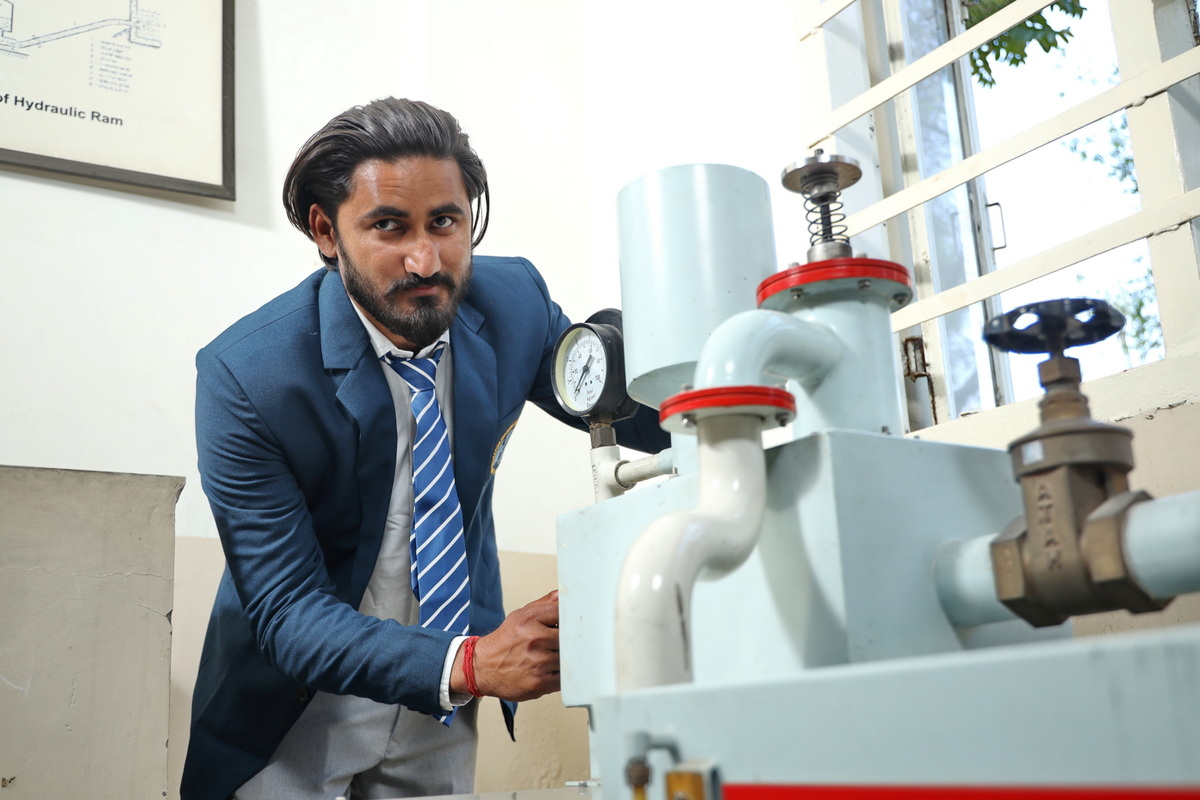
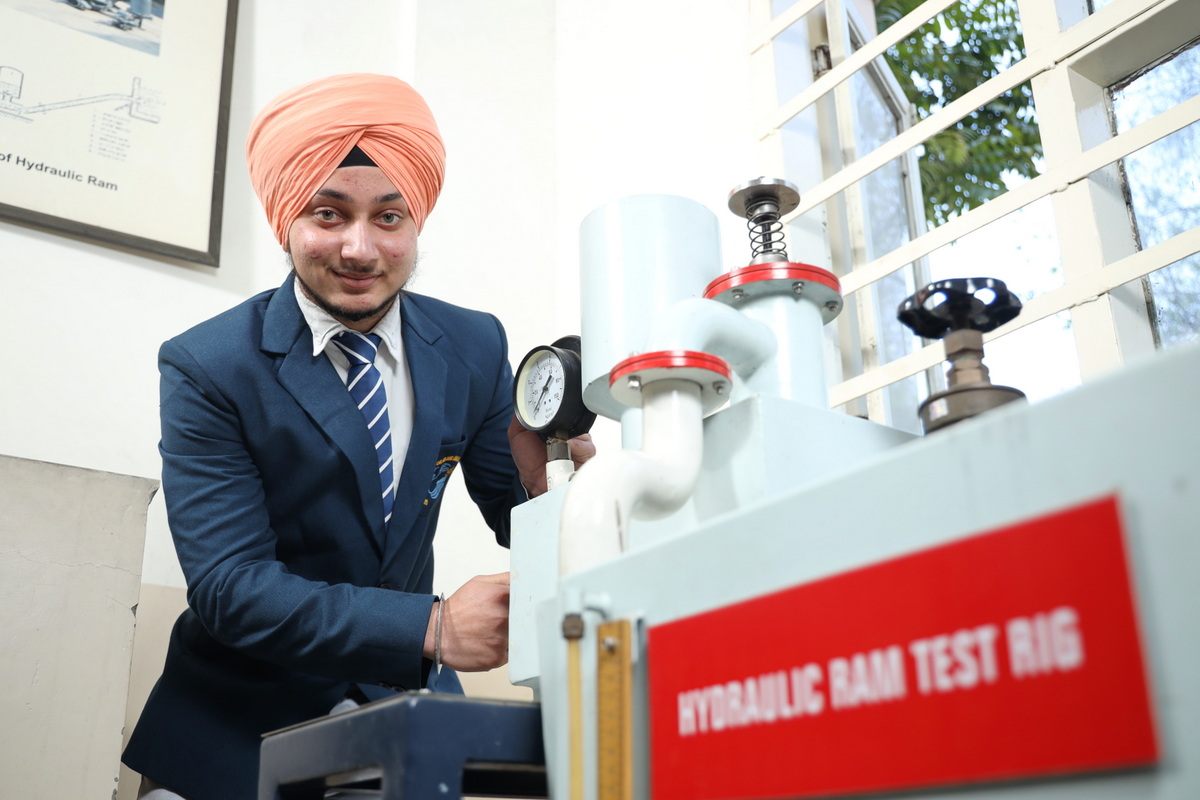
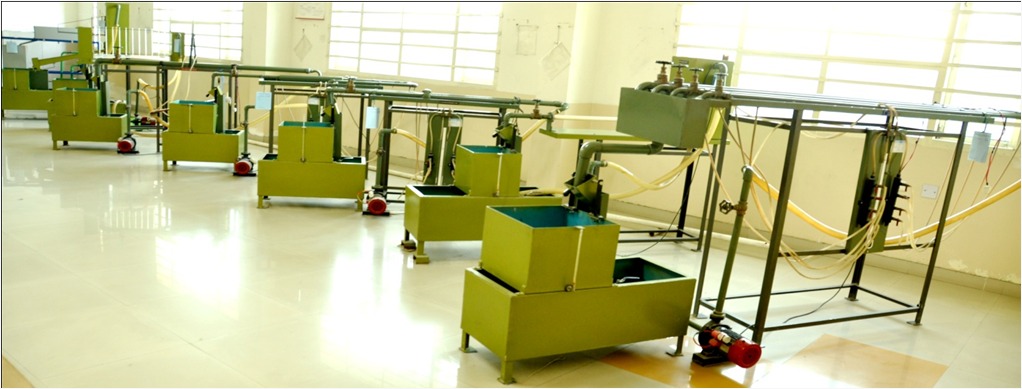
| 6. | Fluid Mechanics Lab |
| 7. | Manufacturing Processes Lab |
| 8. | Theory Of Machines Lab |
| 9. | Computer Aided Design And Manufacturing Lab |
| 10. | Mechanical Measurement and Metrology Lab. |
| 11. | Industrial Automation And Robotics Lab |
| 12. | Automobile Engineering Lab |
| 13. | Heat Transfer Lab |
| 14. | Fluid Machinery Lab |
| 15. | Refrigeration And Air Conditioning Lab |
| 16. | Mechanical Vibration Lab |
| 17. | Centre Of Excellence In High Performance Automobile |
| 18. | R & D Lab For Mechanical Engineering Department |
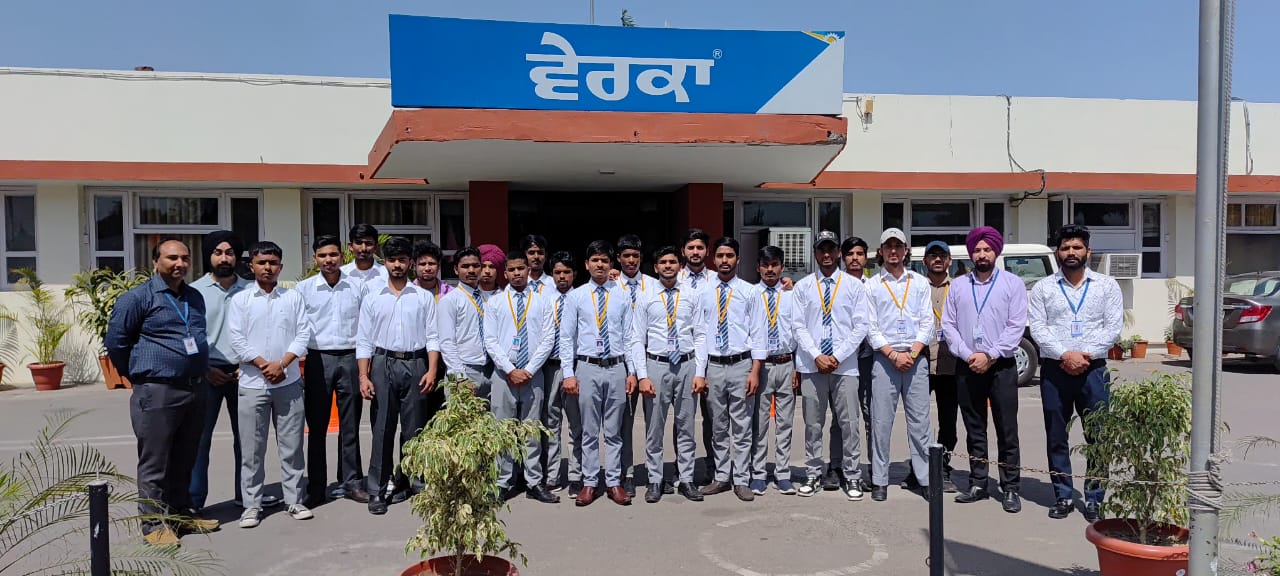
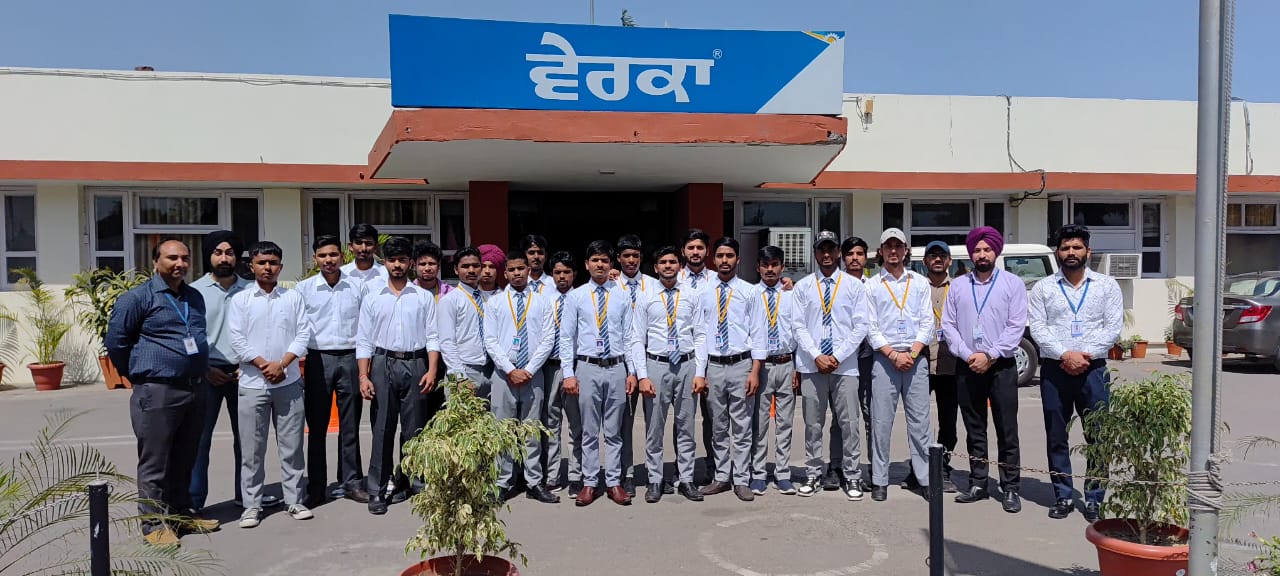
To give the Practical Industrial Exposures to the Students, Department of Mechanical Engineering organized an Industrial Visit at Verka Milk Plant, Amritsar.
To give the Practical Industrial Exposures to the Students, Department of Mechanical Engineering organized an Industrial Visit at Verka Milk Plant, Amritsar. During the visit students were introduced about the various sections by Er. Karanbir Singh, Deputy Manager ES, Verka Milk Plant. He also gave
Read More »
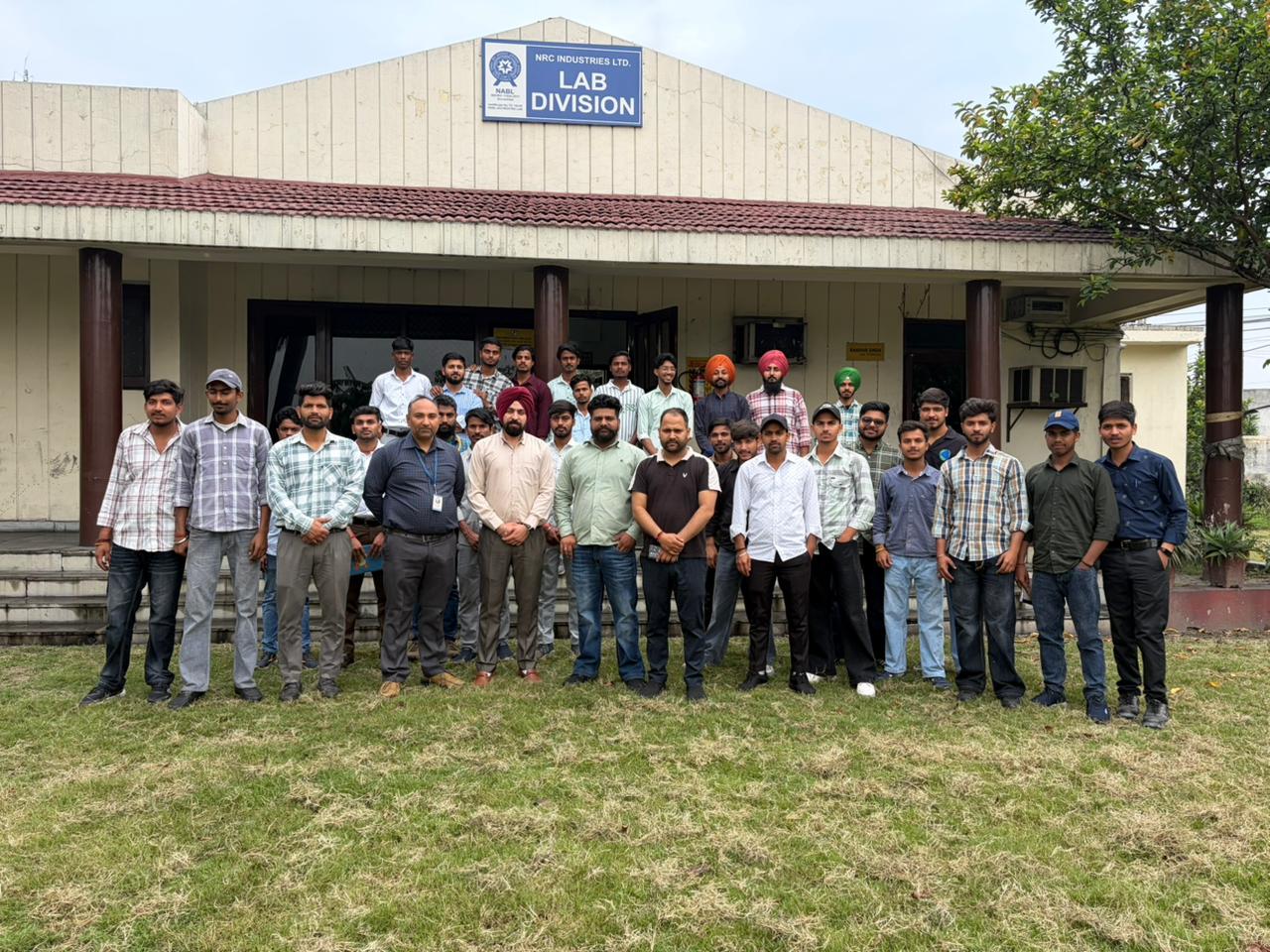
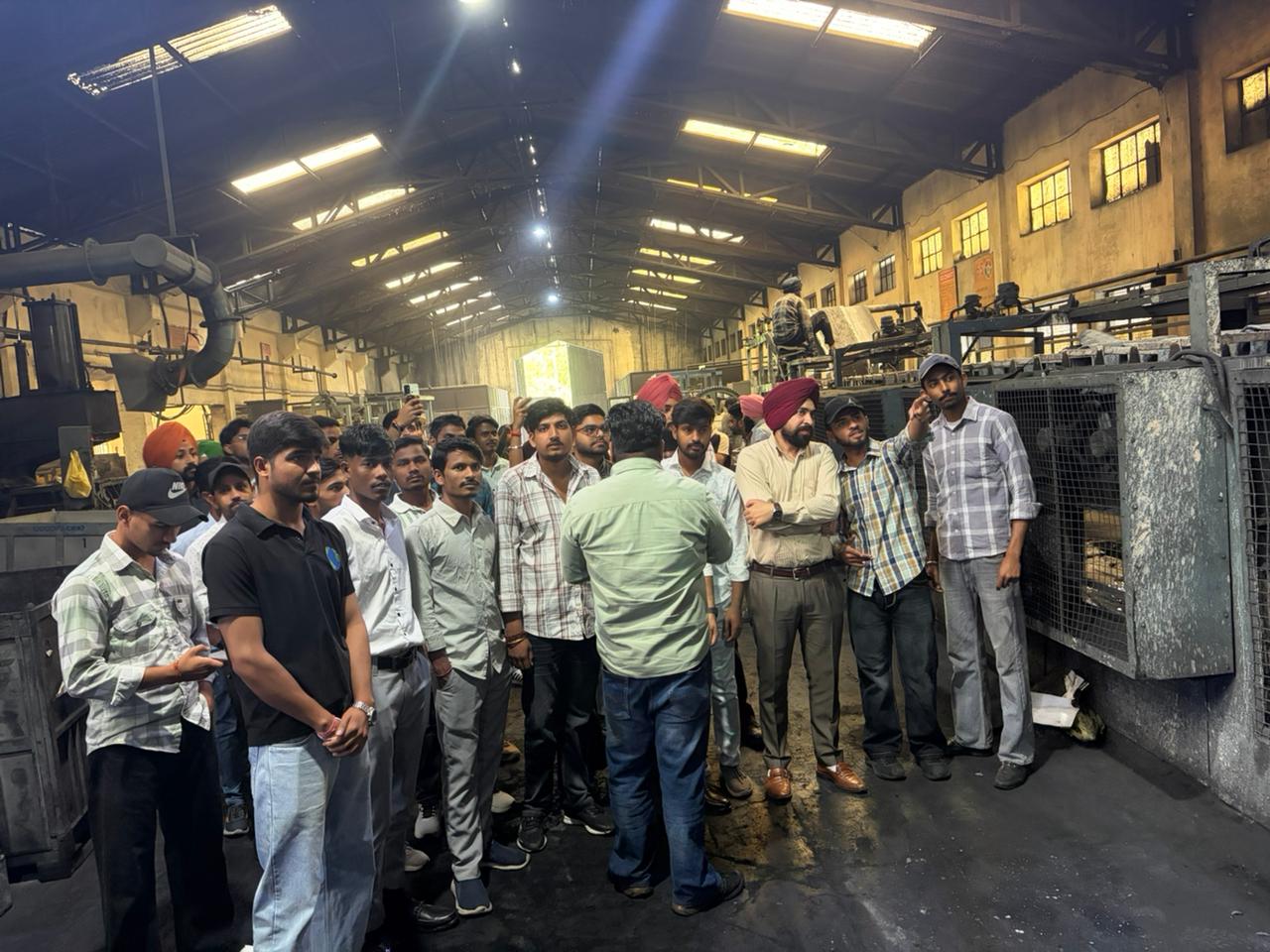
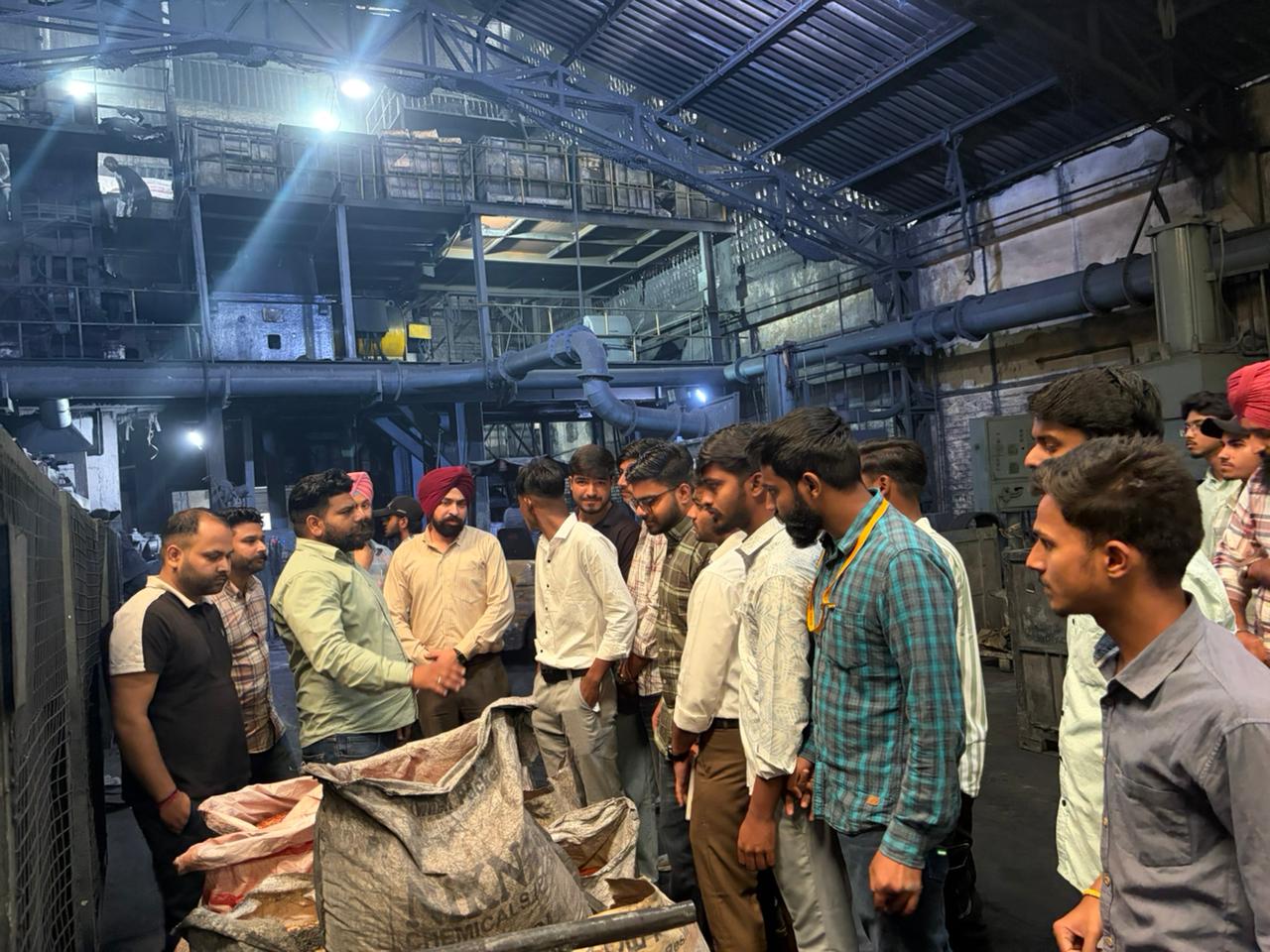
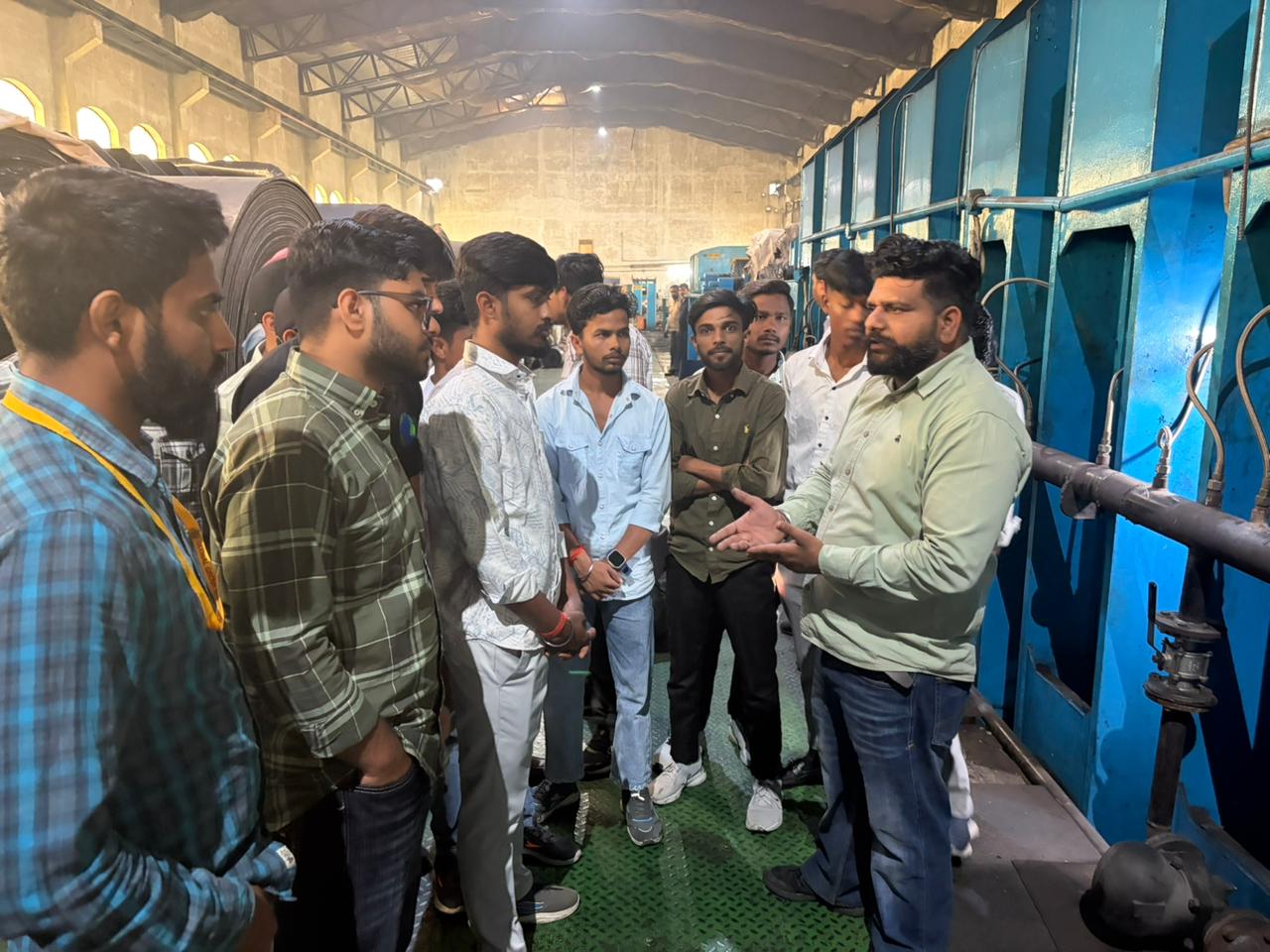
Department of B.Tech Mechanical Engineering undertook an industrial visit on 7 March 2026 to a rubber conveyor belt manufacturing industry, NRC Industries Ltd.”
Students of B.Tech Mechanical Engineering undertook an industrial visit on 7 March 2026 to a rubber conveyor belt manufacturing industry, NRC Industries Ltd., a conveyor belt manufacturer operating from Verka, Amritsar. The visit was organized to help students understand industrial production systems, material handling equipment,
Read More »
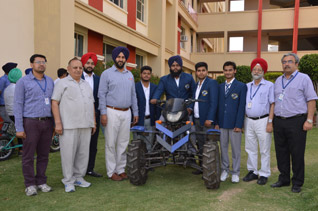
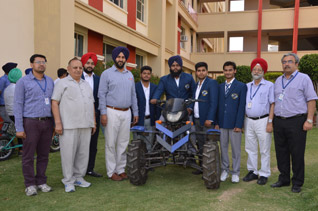
All Terain Vehicle Designed & Developed by Mechanical Engineering students
Students of Mechanical Engineering have shown their Engineering Design Skills by successfully designing and fabricating an aesthetically attractive, fuel efficient, aerodynamically shaped, “All Terrain Four Wheel” vehicle. The students took the challenge to accept this project and have shown their acumen and design capabilities by
Read More »
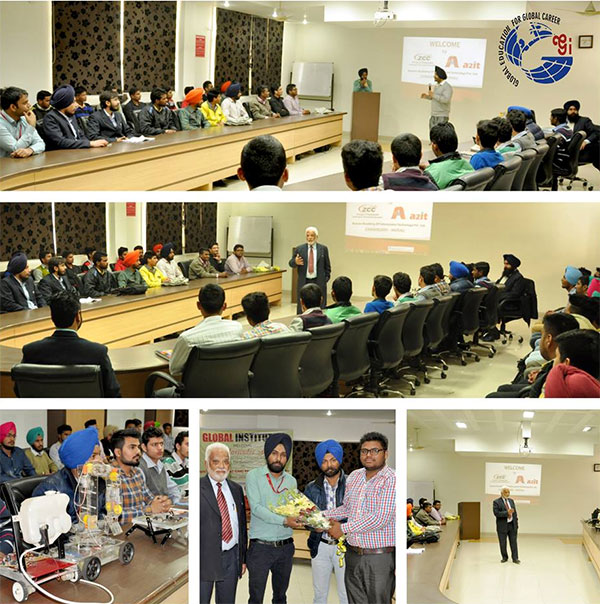
Seminar on “Utilization of CNC Machines & Solid Works”
Department of Mechanical Engineering organized seminar on “Utilization of CNC machines & solid works”. Mr. Harjinder Singh, Sr. Engineer, ZCC Group of Education, Chandigarh, delivered expert talk on the topic.
Read More »
To give the Practical Industrial Exposures to the Students, Department of Mechanical Engineering organized an Industrial Visit at Verka Milk Plant, Amritsar.
To give the Practical Industrial Exposures to the Students, Department of Mechanical Engineering organized an Industrial Visit at Verka Milk Plant, Amritsar. During the visit students were introduced about the various sections by Er. Karanbir Singh, Deputy Manager ES, Verka Milk Plant. He also gave
Department of B.Tech Mechanical Engineering undertook an industrial visit on 7 March 2026 to a rubber conveyor belt manufacturing industry, NRC Industries Ltd.”
Students of B.Tech Mechanical Engineering undertook an industrial visit on 7 March 2026 to a rubber conveyor belt manufacturing industry, NRC Industries Ltd., a conveyor belt manufacturer operating from Verka, Amritsar. The visit was organized to help students understand industrial production systems, material handling equipment,
All Terain Vehicle Designed & Developed by Mechanical Engineering students
Students of Mechanical Engineering have shown their Engineering Design Skills by successfully designing and fabricating an aesthetically attractive, fuel efficient, aerodynamically shaped, “All Terrain Four Wheel” vehicle. The students took the challenge to accept this project and have shown their acumen and design capabilities by
Seminar on “Utilization of CNC Machines & Solid Works”
Department of Mechanical Engineering organized seminar on “Utilization of CNC machines & solid works”. Mr. Harjinder Singh, Sr. Engineer, ZCC Group of Education, Chandigarh, delivered expert talk on the topic.
| Rohan Kumar (GET, Quality Control, Pritika Engineering Components Ltd, Hoshiarpur), B.Tech ME :“This college taught me that excellence is never an accident, it is the result of intention and skillful execution. The values of integrity, creativity, and the dedication of our mentors have played the biggest role in which I am today. I am proud of Global Groups of Institutes and the legacy it continues to build.” | 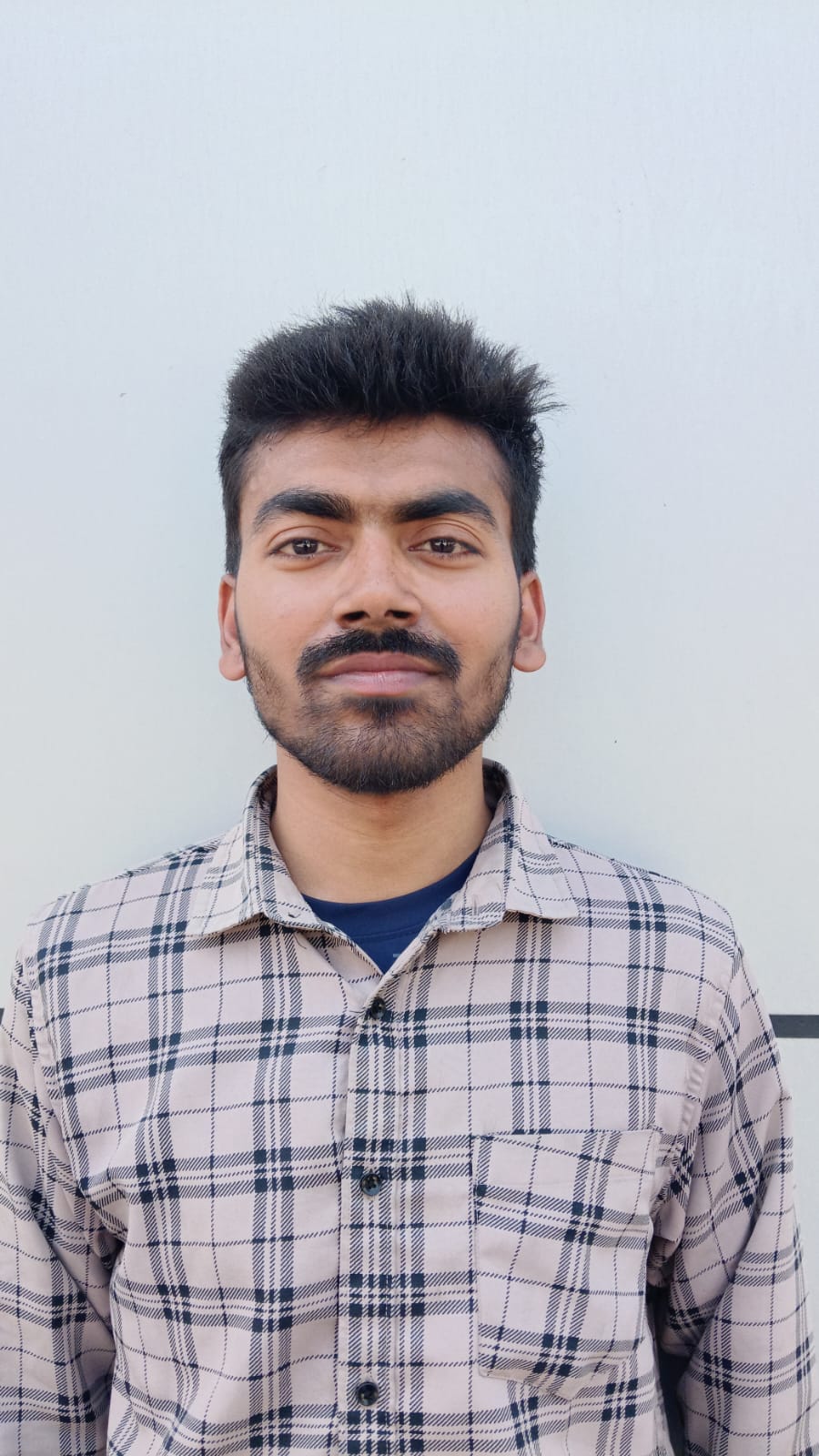 |
| Saurav (GET Trac. R&D Solis, Sonalika), B.Tech ME ): “I came here looking for a degree, but I left with knowledge, confidence, and a network that has shaped my professional life. The mentorship I received was unparalleled, empowering me to tackle challenges with the right attitude. This institution has nourished our roots, allowing us to stand strong in our careers today” |  |
| Jobanpreet Singh (Assistant manager (R&D), Sonalika), B.Tech “I owe my professional success to the foundation laid by our dedicated faculty. Global Group of Institutes, Amritsar taught me to see challenges as opportunities. I sincerely thank this institution for the contributions it has made to my career.” | 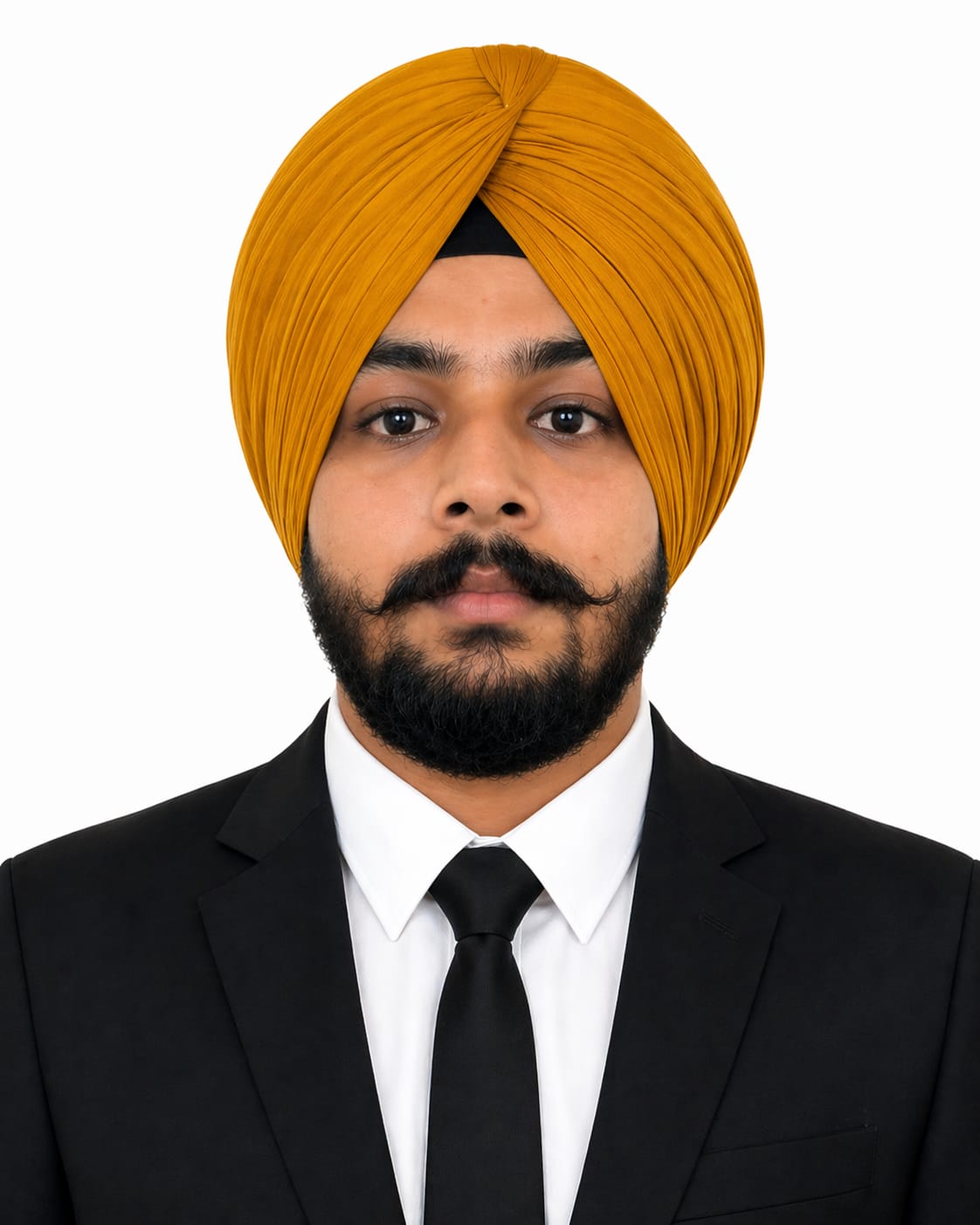 |
| Gurpinder Singh (Canal Patwari in the Punjab Irrigation Department, Dera baba nanak), B.Tech ME “This college is more than just brick and mortar; it is a community that nurtured us. I want to thank the faculty who treated us not just as students, but as friends and mentors. You taught us discipline when we thought it was restrictive, and today, in the real world, we realize it was the foundation of our success.” | 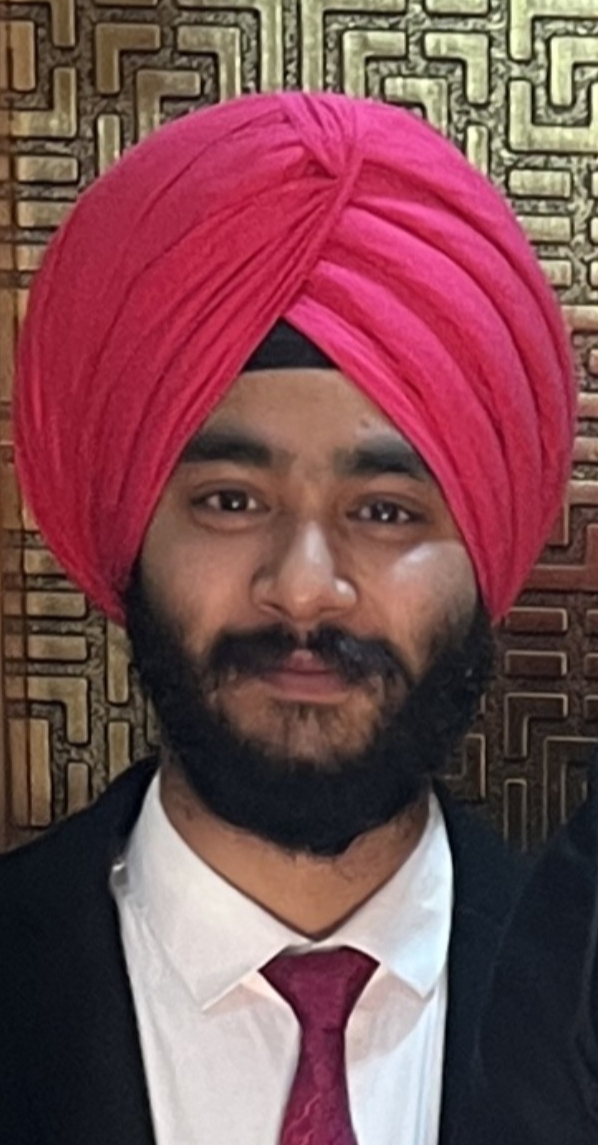 |
Department Vision
Emerge as a Center of Excellence in Mechanical Engineering through quality education, innovation and research.
Department Mission
Creating an excellent learning environment to foster globally competent Mechanical Engineers.
Imparting quality engineering knowledge by experienced and dedicated faculty, synergized with Industrial interactions and R & D activities.
Providing a vibrant environment to facilitate students’ professional and personal skills and values.
Program Educational Objectives (PEOs)
PEO1 Graduates shall have strong practical and theoretical expertise in Mechanical, allied engineering, mathematics and science and shall opt for employability or higher studies or research or entrepreneurship, either in India or abroad.\
PEO2Graduates shall have global outlook, technological leadership, creative thinking towards innovation and enterprise to contribute to society.
PEO3 Graduates shall have excellent teamwork, communication, interpersonal skills, high morals and ethical values.
Program Outcomes (POs)
PO1: Engineering Knowledge: Apply knowledge of mathematics, science, engineering fundamentals and an engineering specialization to the solution of complex engineering problems.
PO2: Problem Analysis: Identify, formulate, research literature and analyze complex engineering problems reaching substantiated conclusions using first principles of mathematics, natural sciences and engineering sciences.
PO3: Design/Development of Solutions: Design solutions for complex engineering problems and design system components or processes that meet specified needs with appropriate consideration for public health and safety, cultural, societal and environmental considerations.
PO4: Conduct Investigations of Complex Problems: Use research-based knowledge and research methods including design of experiments, analysis and interpretation of data and synthesis of information to provide valid conclusions.
PO5: Modern Tool Usage: Create, select and apply appropriate techniques, resources and modern engineering and IT tools including prediction and modeling to complex engineering activities with an understanding of the limitations.
PO6: The Engineer and Society: Apply reasoning informed by contextual knowledge to assess societal, health, safety, legal and cultural issues and the consequent responsibilities relevant to professional engineering practice.
PO7: Environment and Sustainability: Understand the impact of professional engineering solutions in societal and environmental contexts and demonstrate knowledge of and need for sustainable development.
PO8: Ethics: Apply ethical principles and commit to professional ethics and responsibilities and norms of engineering practice.
PO9: Individual and Team Work: Function effectively as an individual, and as a member or leader in diverse teams and in multi-disciplinary settings.
PO10: Communication: Communicate effectively on complex engineering activities with the engineering community and with society at large, such as being able to comprehend and write effective reports and design documentation, make effective presentations and give and receive clear instructions.
PO11: Project Management and Finance: Demonstrate knowledge and understanding of engineering and management principles and apply these to one’s own work, as a member and leader in a team, to manage projects and in multidisciplinary environments.
PO12: Life-long Learning: Recognize the need for and have the preparation and ability to engage in independent and life- long learning in the broadest context of technological change.
PROGRAM SPECIFIC OUTCOMES (PSOs)
PSO1: Capability to understand, identify, analyze, evaluate and form manufacturing systems using mechanical and allied engineering principles and techniques.
PSO2: Developing attitude among graduates to accept global challenges and apply mechanical engineering acquaintance for solving problems related to design, production and other interdisciplinary fields.